Cable Twisting Machines | Buncher, Single Twist & Rigid Strander
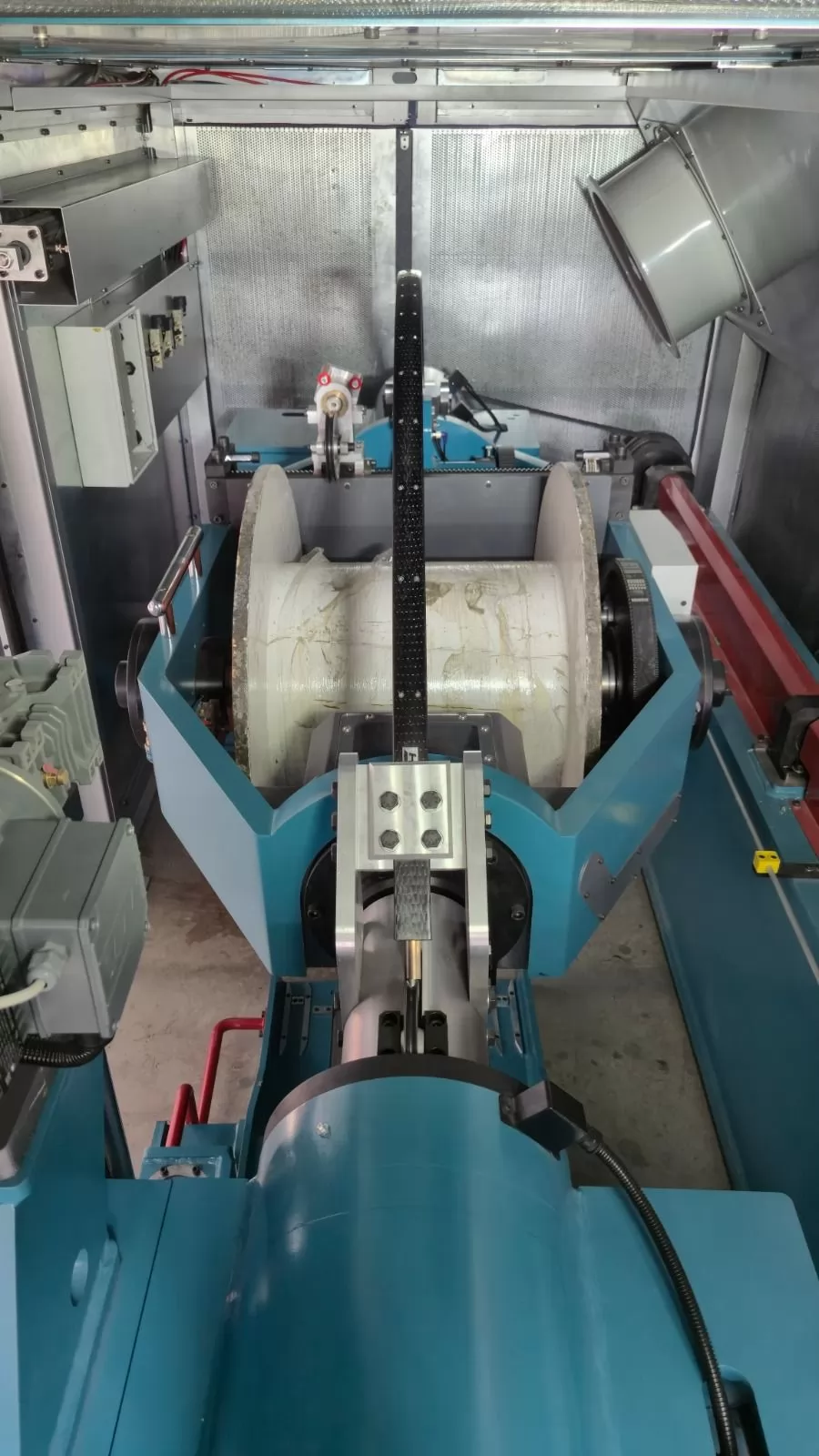
Learn about cable twisting machines, Double Twist Bunchers, Single Twist Machines, Rigid Stranders and Drum Twisters, including working principles, applications and machine selection criteria.
Cable Twisting Machines: Types, Working Principles and Machine Selection
In cable manufacturing, bringing multiple wires or insulated conductors together in a controlled manner is one of the key production processes that directly influences the electrical and mechanical characteristics of the final product.
The equipment used for this process is generally referred to as cable twisting machines, cable stranding machines, or cable bunching machines, depending on the application and production method.
Different twisting technologies can be used according to the cable construction, conductor cross-section, number of wires, reel dimensions, required lay length, and target production speed.
Double Twist Bunchers, Single Twist Machines, Rigid Stranders, and Drum Twisters are among the most widely used cable twisting and stranding systems in the wire and cable industry.
What Is a Cable Twisting Machine?
A cable twisting machine is industrial equipment designed to combine two or more wires, conductors, or insulated cable cores under controlled tension and with a defined lay length.
The purpose of twisting is not simply to physically combine individual wires.
A properly controlled twisting process can help achieve:
-
A more uniform conductor structure
-
Improved cable flexibility
-
Balanced mechanical forces between wires
-
More stable downstream production processes
-
Consistent cable geometry
-
Improved overall production quality
For this reason, the twisting machine must be selected according to the technical characteristics of the cable to be manufactured.
What Are the Main Types of Cable Twisting Machines?
The wire and cable industry uses several different twisting and stranding technologies for different applications.
The main types include:
Double Twist Buncher
A Double Twist Buncher is one of the most commonly used machines for high-speed bunching of multiple fine wires.
The term “Double Twist” refers to the operating principle in which two twists are created for each rotation of the twisting system.
This design can provide high production speeds, particularly in applications involving:
-
Copper conductors
-
Fine multi-wire conductors
-
Flexible cables
-
Automotive cables
-
Certain types of power cable conductors
AFN Makina develops Buncher Twisting Lines suitable for different reel diameters, conductor cross-sections, and production requirements.
What Is a Single Twist Machine?
In Single Twist Machines, one twist is generally produced for each rotation of the twisting system.
Single Twist technology can be used not only for bare conductors but also for the cabling of insulated cores and various special cable constructions.
Typical applications include:
-
Twisting of insulated cable cores
-
Control cables
-
Special cable constructions
-
Screening applications
-
Certain armoring processes
Depending on the manufacturing process, a Single Twist production line can be configured with pay-off systems, twisting units, pulling equipment, take-up systems, and automation controls.
What Is a Rigid Strander?
A Rigid Strander is a stranding machine primarily used for the production of medium- and large-cross-section conductors.
Wire reels are installed inside rigid rotating cages, and the wires are guided in a controlled manner toward the stranding point.
Rigid Stranding Machines can be used for applications such as:
-
Copper conductors
-
Aluminum conductors
-
Power cable conductors
-
Large-cross-section conductor constructions
Important design parameters for a Rigid Strander include reel capacity, cage configuration, line speed, lay length, and wire tension control.
What Is a Drum Twister?
Drum Twister Machines are generally used for twisting and cabling larger and heavier cable constructions.
Typical applications include:
-
Power cables
-
Multi-core cables
-
Large-cross-section cables
-
Cables requiring screening
-
Cables requiring armoring
Because Drum Twister systems often handle large and heavy reels, mechanical strength, bearing systems, drive configuration, and automation play an important role in machine design.
What Is the Difference Between a Buncher and a Single Twist Machine?
Although Buncher and Single Twist machines can perform similar cable manufacturing processes, their operating principles and ideal applications differ.
Double Twist Bunchers are generally preferred for applications where high production speed and fine multi-wire conductor production are important.
Single Twist machines, on the other hand, can offer greater flexibility for producing different cable constructions and carrying out different cabling processes.
Machine selection should therefore not be based solely on production speed.
Parameters such as:
-
Wire diameter
-
Cable diameter
-
Number of wires or cores
-
Lay length
-
Reel dimensions
-
Cable construction
-
Required tension
-
Target production capacity
should be evaluated together.
What Is Lay Length in Cable Twisting?
Lay length, also referred to as twisting pitch, is the axial distance required for a wire or cable core to complete one full revolution around the central axis of the conductor or cable.
Lay length is an important production parameter because it can influence:
-
Cable flexibility
-
Overall cable diameter
-
Mechanical behavior
-
Material consumption
-
Performance during downstream manufacturing processes
If the lay length is too short or too long for the intended cable construction, it may negatively affect production efficiency and product characteristics.
For this reason, modern cable twisting machines should provide accurate and repeatable lay length adjustment.
Why Is Tension Control Important in Cable Twisting?
During cable twisting, individual wires should enter the twisting point with stable and controlled tension.
Significant tension differences between wires may result in:
-
Irregular twisting
-
Wire deformation
-
Variations in cable diameter
-
Unstable production
-
Inconsistent cable geometry
Therefore, pay-off systems, pulling equipment, twisting units, and take-up systems must operate in coordination with one another.
Accurate tension management is particularly important in high-speed conductor production.
Main Equipment in a Cable Twisting Line
A complete cable twisting line consists of more than the main twisting machine.
Depending on the production process, the line may include:
-
Pay-off systems
-
Twisting or stranding units
-
Capstans
-
Caterpillar haul-offs
-
Pulling systems
-
Taping units
-
Screening equipment
-
Armoring systems
-
Take-up systems
-
Measuring equipment
-
Electrical and automation systems
The overall performance of the production line depends on how effectively these units operate together.
What Should Be Considered When Selecting a Cable Twisting Machine?
Before planning a new cable twisting line, the technical characteristics of the products to be manufactured should first be clearly defined.
The following information should preferably be provided to the machine manufacturer.
1. Type of Cable
The product may be a power cable, automotive cable, flexible cable, control cable, or another specialized cable construction.
2. Conductor Material
Typical materials include:
-
Copper
-
Tinned copper
-
Aluminum
-
Other conductive materials
3. Wire Diameter
Minimum and maximum wire diameters are fundamental parameters for determining the machine's operating range.
4. Number of Wires or Cores
The total number of wires, conductors, or insulated cores to be twisted should be specified.
5. Final Conductor or Cable Diameter
The required final diameter is important when determining machine size and production capacity.
6. Reel Dimensions and Weight
Reel diameter, width, and maximum reel weight directly affect the design of pay-off and take-up systems.
7. Required Lay Length
The minimum and maximum lay length range required for the product should be identified.
8. Target Production Capacity
Required production speed and output are important when determining the mechanical design and configuration of the complete line.
Automation in Cable Twisting Lines
High mechanical speed alone is not sufficient in modern cable manufacturing.
Motors, drives, pay-offs, pulling systems, twisting units, and take-ups must operate in synchronization.
An appropriately designed automation system can allow operators to monitor and control:
-
Line speed
-
Twisting parameters
-
Machine status
-
Alarm information
-
Production parameters
-
Product recipes
Modern PLC- and drive-based control systems can also simplify product changeovers and help reduce operator-related errors.
Depending on the required automation level, production data can also be integrated into higher-level factory monitoring and production management systems.
AFN Makina Cable Twisting and Stranding Lines
AFN Makina develops machinery and complete production solutions for the wire and cable industry.
Depending on the project and production requirements, AFN Makina solutions can include:
-
Double Twist Buncher Lines
-
Single Twist Lines
-
Rigid Stranding Lines
-
Drum Twister Lines
-
Cable Screening Lines
-
Cable Armoring Lines
-
Taping Systems
-
Pay-Off Systems
-
Take-Up Systems
-
Capstans and Caterpillar Haul-Offs
-
Auxiliary Cable Manufacturing Equipment
The optimum machine configuration should not be determined solely by selecting a standard machine model.
Cable specifications, required production capacity, reel dimensions, factory layout, automation requirements, and future production needs should all be considered when designing a production line.
Conclusion
Cable twisting and stranding machines are among the most important pieces of production equipment in modern wire and cable manufacturing facilities.
However, the same twisting technology is not suitable for every cable construction.
The choice between a Double Twist Buncher, Single Twist Machine, Rigid Strander, or Drum Twister should be based on the structure of the product, conductor dimensions, required lay length, reel specifications, and target production capacity.
A properly designed cable twisting line should aim not only to achieve high production speeds but also to provide consistent twisting quality, stable tension control, reduced downtime, repeatable product quality, and sustainable production performance.