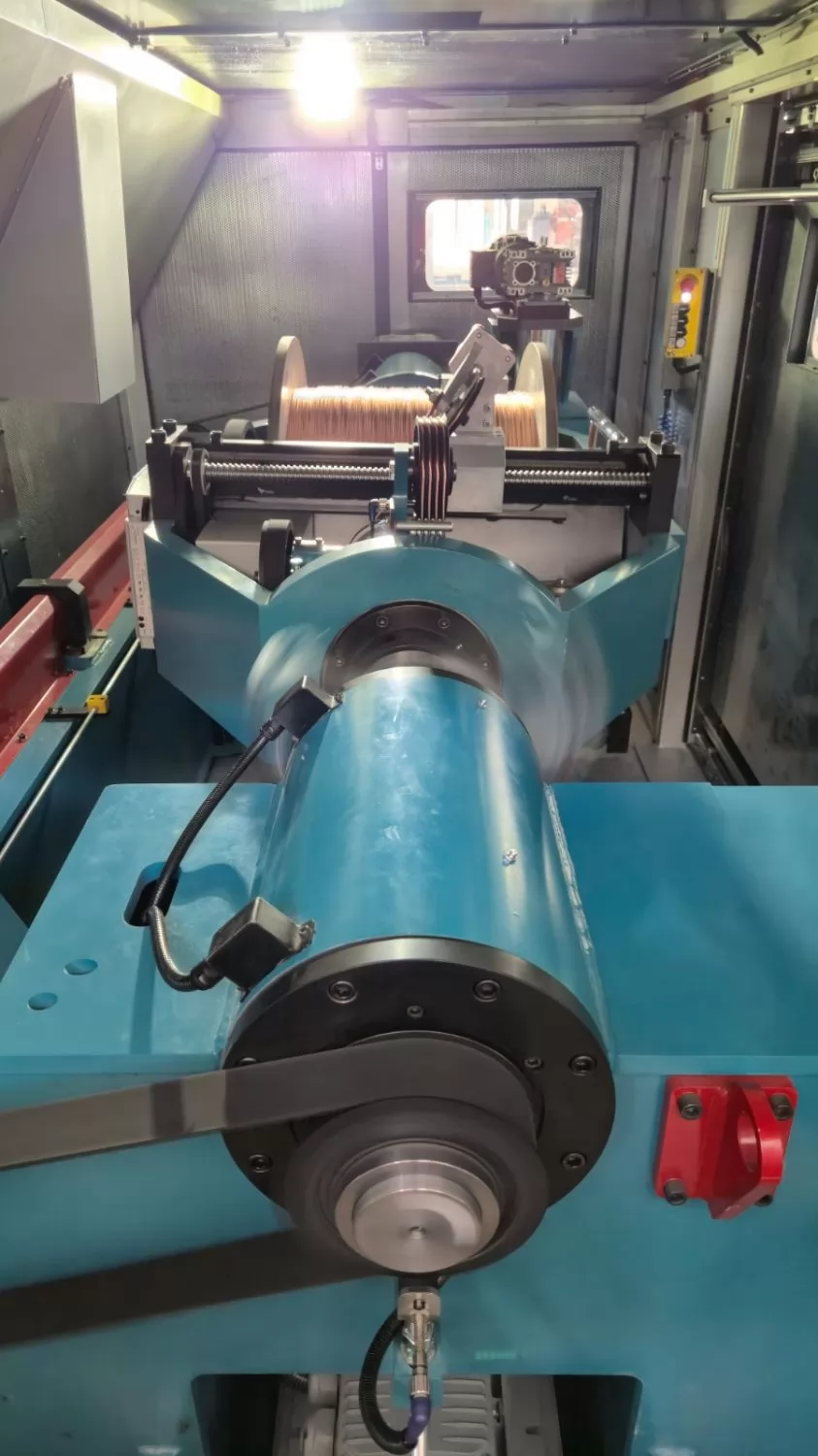
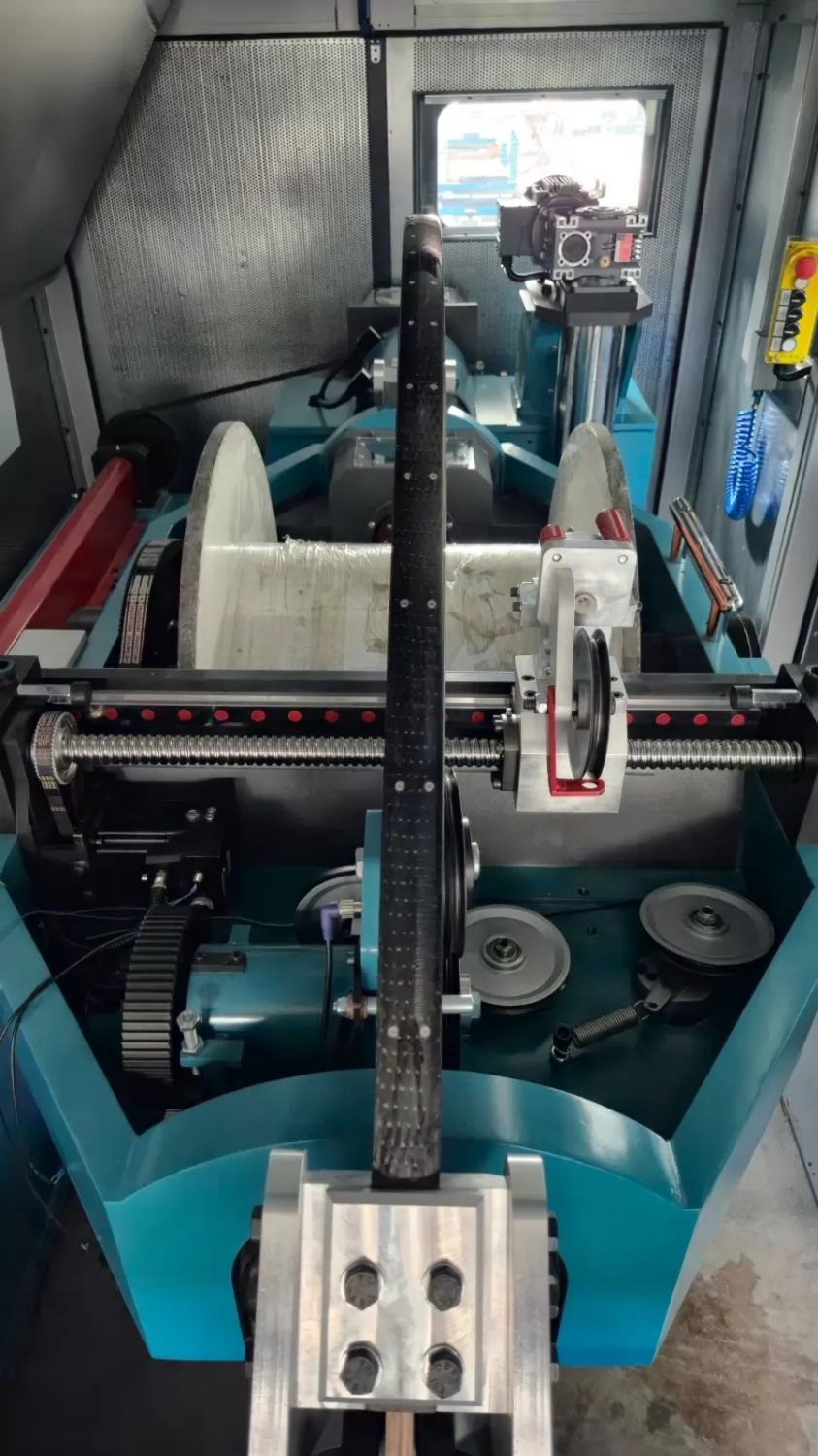
Single Twist vs Double Twist: What Is the Difference?
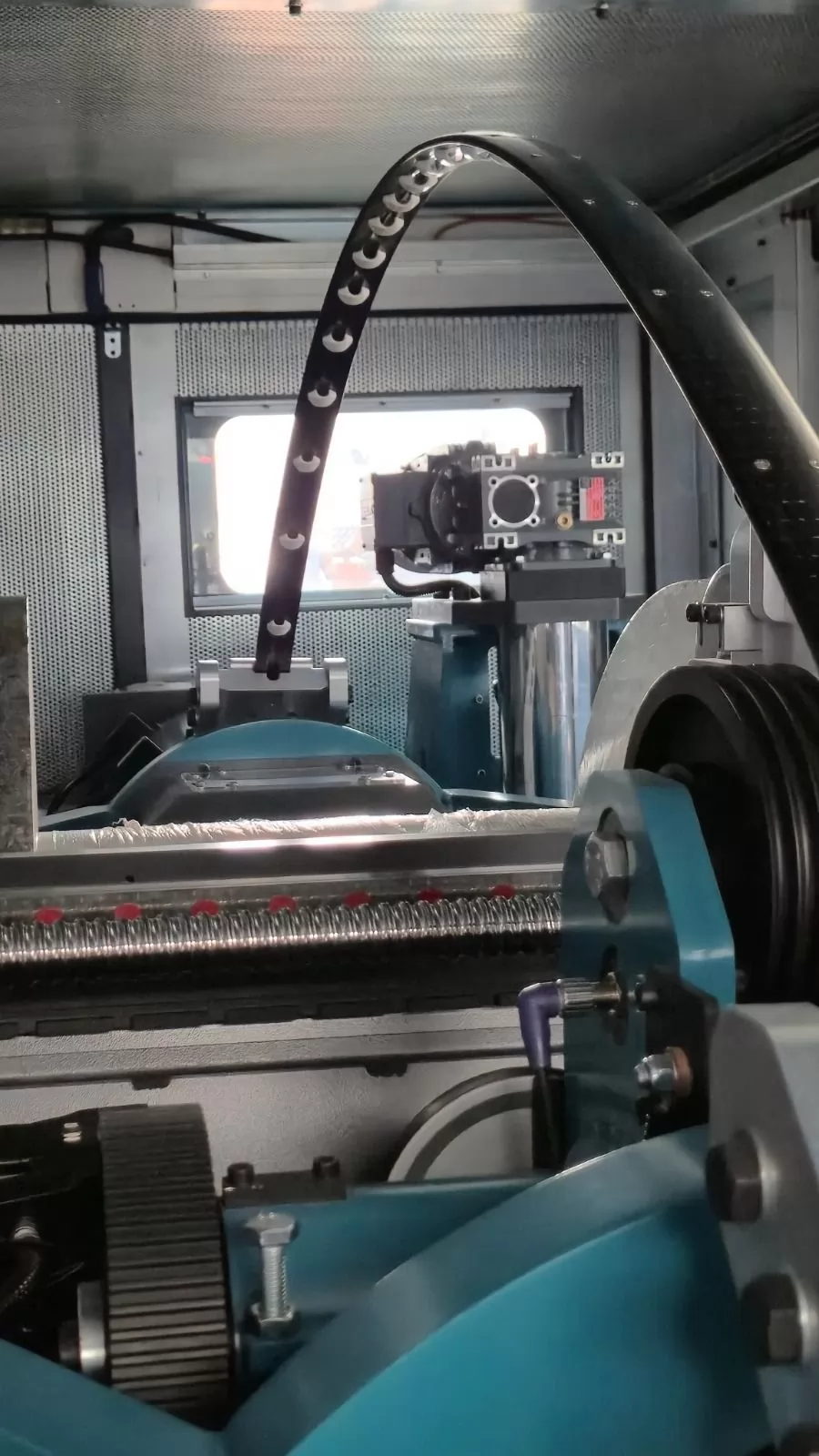
What is the difference between single twist and double twist machines? Compare working principles, speed, applications and learn which twisting line is right for cable production.
What Is the Difference Between Single Twist and Double Twist?
In wire and cable manufacturing, choosing the correct twisting technology has a direct impact on production speed, cable structure, product quality and manufacturing efficiency.
Two of the most commonly used technologies are Single Twist Lines and Double Twist Buncher Machines.
Although both systems are designed to twist wires, conductors or cable components together, their operating principles are different. The most fundamental difference is simple:
A Single Twist machine produces one twist per rotation, while a Double Twist machine produces two twists per rotation.
This difference can significantly affect production speed, machine configuration and the types of cables that can be manufactured efficiently.
What Is a Single Twist Machine?
A Single Twist Line, also known as a Single Twist Buncher, Single Twist Strander or Single Twist Cabling Line, applies one complete twist to the cable or conductor during each rotation of the twisting system.
Single twist technology is widely used when controlled cable handling, flexibility in production and compatibility with different cable structures are important.
Typical applications include:
-
Copper wire twisting
-
Aluminum wire twisting
-
Cable core twisting
-
Small cross-section cable armoring
-
Cable screening
-
Cabling processes
-
Special cable production
-
Multi-core cable manufacturing
Because of its controlled twisting principle, a Single Twist Line can be a suitable solution for manufacturers producing different cable constructions on the same production platform.
What Is a Double Twist Machine?
A Double Twist Machine, commonly called a Double Twist Buncher, is designed to produce two twists during one complete rotation of the twisting bow or rotor.
This operating principle makes double twist technology particularly attractive for high-speed conductor production.
Double twist bunchers are commonly used for:
-
Copper conductor bunching
-
Aluminum conductor production
-
Flexible conductor manufacturing
-
Automotive wires and cables
-
Electrical installation cables
-
Power cable conductors
-
Fine-wire bunching
-
Multi-wire conductor production
Because two twists are generated during each rotation, high production output can be achieved without requiring the twisting system to rotate twice as fast.
Single Twist vs Double Twist: The Main Difference
The easiest way to understand the difference is to compare the number of twists generated during one machine rotation.
| Feature | Single Twist | Double Twist |
|---|---|---|
| Twists per rotation | 1 | 2 |
| Production principle | One twist per rotation | Two twists per rotation |
| Production speed | Moderate to high | Generally higher |
| Main advantage | Process flexibility and controlled twisting | High productivity |
| Typical application | Cabling, twisting, screening, small cable armoring | High-speed conductor bunching |
| Copper conductor production | Yes | Yes |
| Aluminum conductor production | Yes | Yes |
| Flexible conductor production | Possible | Particularly suitable |
| Different cable structures | Highly flexible | Depends on machine configuration |
| High-volume production | Suitable | Particularly advantageous |
The selection should therefore not be based only on machine speed. The cable construction, conductor diameter, cross-section, required lay length, reel size and production capacity must also be considered.
Why Is Double Twist Generally Faster?
The productivity advantage of a Double Twist Buncher comes from its twisting principle.
Imagine that the twisting system operates at the same rotational speed:
Single Twist:
1 rotation → 1 twist
Double Twist:
1 rotation → 2 twists
For example, theoretically:
1,000 rotations/minute with a Single Twist system can generate approximately:
1,000 twists/minute
while the same rotational rate in a Double Twist principle can generate:
2,000 twists/minute.
Actual production capacity depends on many additional factors including conductor diameter, cable construction, lay length, machine model, reel size and process requirements.
However, the double twist principle provides a major productivity advantage for suitable conductor applications.
When Should You Use a Single Twist Line?
A Single Twist Line can be the better solution when production requires greater flexibility or when the cable structure needs more controlled handling.
Single twist technology can be considered for:
Complex Cable Constructions
Some cable structures contain insulated cores, fillers, screening materials or other components that require controlled processing.
Cable Cabling Operations
Single twist systems can provide an effective solution for combining cable cores according to a specified lay length.
Small Cable Armoring
Single Twist Lines can also be configured for armoring certain small cross-section cables.
Screening Applications
Depending on the line configuration, screening materials can be integrated into the cable production process.
Special Cable Manufacturing
Manufacturers producing different cable structures or customized products may benefit from the versatility of a Single Twist Line.
When Should You Use a Double Twist Buncher?
A Double Twist Buncher is particularly suitable when production capacity and conductor bunching speed are priorities.
Typical applications include:
Flexible Copper Conductors
Multiple fine copper wires can be combined into flexible conductors efficiently.
Automotive Cable Conductors
Automotive cable production frequently requires high-volume manufacturing of flexible conductors.
Electrical Cable Production
Double twist bunchers can provide efficient conductor preparation for many electrical cable applications.
High-Volume Wire Bunching
Factories producing large quantities of similar conductors can benefit significantly from the productivity of double twist technology.
Fine and Medium Wire Bunching
Depending on machine design and reel size, Double Twist Bunchers can process a wide range of conductor cross-sections.
Is Double Twist Always Better Than Single Twist?
No.
Higher speed does not automatically mean that a Double Twist Machine is the best solution for every cable.
The correct machine depends on the product being manufactured.
A cable manufacturer should evaluate:
-
Individual wire diameter
-
Number of wires
-
Total conductor cross-section
-
Finished cable diameter
-
Cable construction
-
Required lay length
-
S or Z twisting direction
-
Reel dimensions
-
Required line speed
-
Annual production capacity
-
Material type
-
Cable flexibility requirements
-
Screening or armoring requirements
For high-volume conductor bunching, a Double Twist Buncher may provide significant productivity advantages.
For cabling, specialized cable structures or applications requiring different processing configurations, a Single Twist Line may be more appropriate.
Single Twist vs Double Twist for Copper Wire
Both technologies can be used for copper wire processing, but the application determines the correct machine.
For high-speed bunching of multiple fine copper wires into a flexible conductor, a Double Twist Buncher is frequently preferred.
For cable structures requiring controlled cabling, special construction or additional processes, a Single Twist Line may provide greater production flexibility.
Single Twist vs Double Twist for Aluminum Wire
Aluminum conductors can also be processed using different twisting technologies.
The correct configuration depends on:
-
Aluminum wire diameter
-
Number of wires
-
Required conductor cross-section
-
Compaction requirements
-
Lay length
-
Reel size
-
Production speed
Machine selection should therefore be made according to the final conductor specification rather than simply selecting the fastest machine.
AFN Makina Single Twist and Double Twist Solutions
AFN Makina designs and manufactures wire and cable production machinery for different conductor and cable manufacturing requirements.
The AFN Makina product range includes:
-
Double Twist Buncher Lines
-
Single Twist Lines
-
Rigid Stranding Lines
-
Drum Twister Lines
-
Screening Lines
-
Armoring Lines
-
Taping Lines
-
Pay-off and Take-up Systems
-
Capstans
-
Rewinding Equipment
-
Auxiliary Cable Manufacturing Equipment
-
Custom-designed cable machinery
Different machine configurations can be developed according to cable diameter, conductor cross-section, reel dimensions, required production capacity and customer-specific production requirements.
Which Twisting Machine Should You Choose?
Before selecting a Single Twist or Double Twist machine, manufacturers should first define the cable they want to produce.
The most important technical information includes:
1. Product Type
What will be produced?
Copper conductor, aluminum conductor, flexible cable, automotive cable, power cable or another cable structure?
2. Wire Diameter
What are the minimum and maximum individual wire diameters?
3. Number of Wires
How many wires or cable components need to be twisted?
4. Cross-Section Range
What is the minimum and maximum conductor cross-section?
5. Required Lay Length
What twisting pitch or lay length is required?
6. Reel Size
What are the pay-off and take-up reel dimensions?
7. Production Speed
What production capacity in meters per minute or kilograms per hour is required?
With this information, the most appropriate twisting technology and machine configuration can be determined.
Frequently Asked Questions About Single Twist and Double Twist Machines
What is the main difference between Single Twist and Double Twist?
A Single Twist machine applies one twist during each rotation of the twisting system. A Double Twist machine applies two twists during each rotation.
Is a Double Twist Buncher faster than a Single Twist machine?
For suitable conductor applications, Double Twist technology generally offers higher productivity because two twists are generated per machine rotation.
What is a Double Twist Buncher used for?
Double Twist Bunchers are commonly used for high-speed bunching of copper wires, aluminum wires and flexible electrical conductors.
What is a Single Twist Line used for?
Single Twist Lines can be used for conductor twisting, cable cabling, screening, small-section armoring and different special cable production processes.
Which machine is better for flexible copper conductors?
For high-volume flexible copper conductor bunching, Double Twist Bunchers are commonly preferred because of their high twisting productivity.
Can Single Twist machines produce copper and aluminum conductors?
Yes. Single Twist Lines can be configured for both copper and aluminum wire and cable production.
How do I choose between Single Twist and Double Twist?
The decision should be based on the wire diameter, conductor cross-section, cable structure, required lay length, reel size and expected production capacity.
Single Twist or Double Twist? Ask AFN Makina
There is no universal twisting machine suitable for every cable.
The right solution depends on your product structure, conductor dimensions, reel sizes, required lay length and production target.
AFN Makina develops cable manufacturing machinery according to customer-specific production requirements.
If you are planning a new cable production line or want to increase the capacity of an existing facility, send AFN Makina your cable specifications.
Our technical team can evaluate your production requirements and determine whether a Single Twist Line, Double Twist Buncher or another cable manufacturing solution is the most suitable configuration for your project.