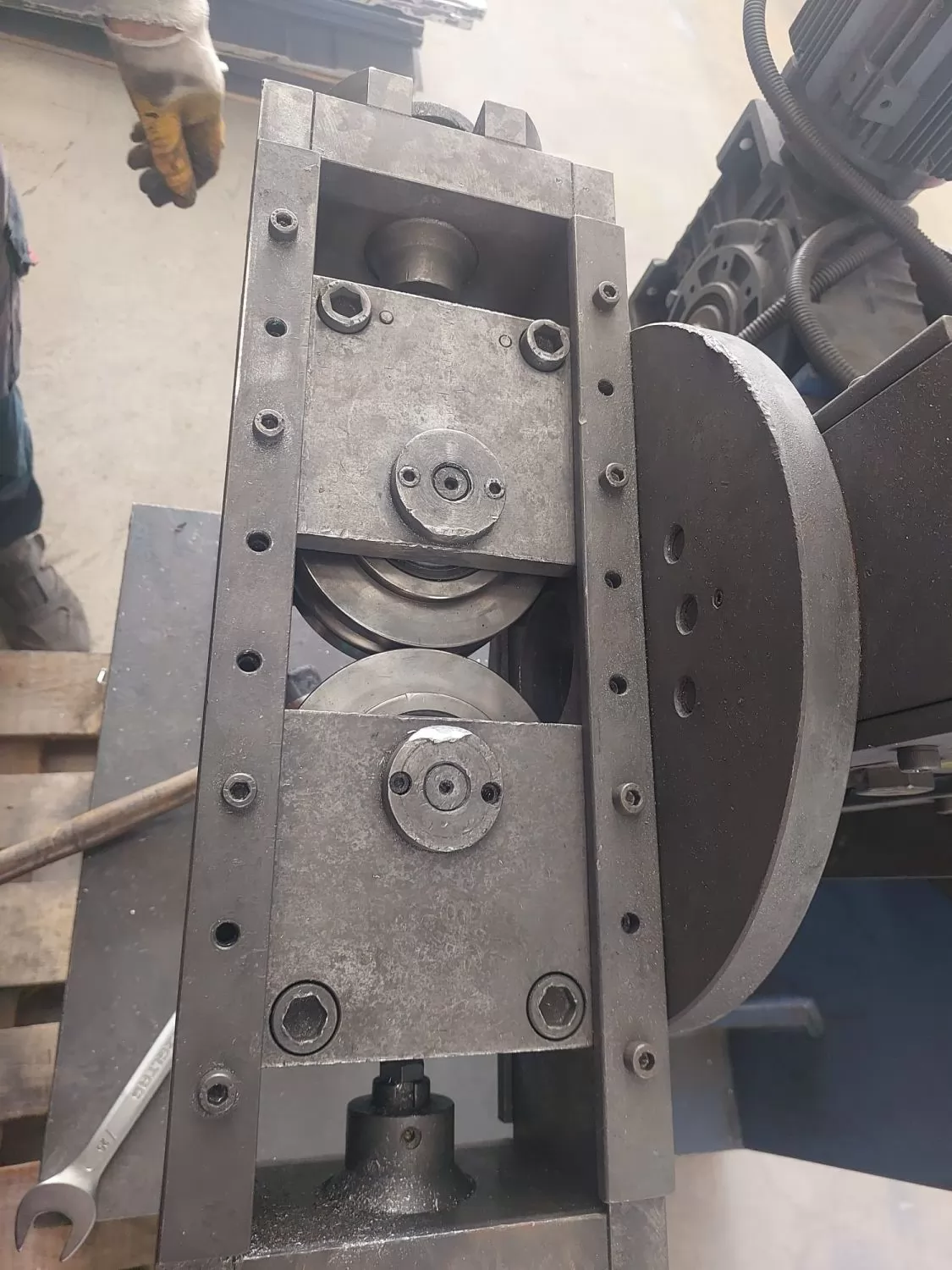
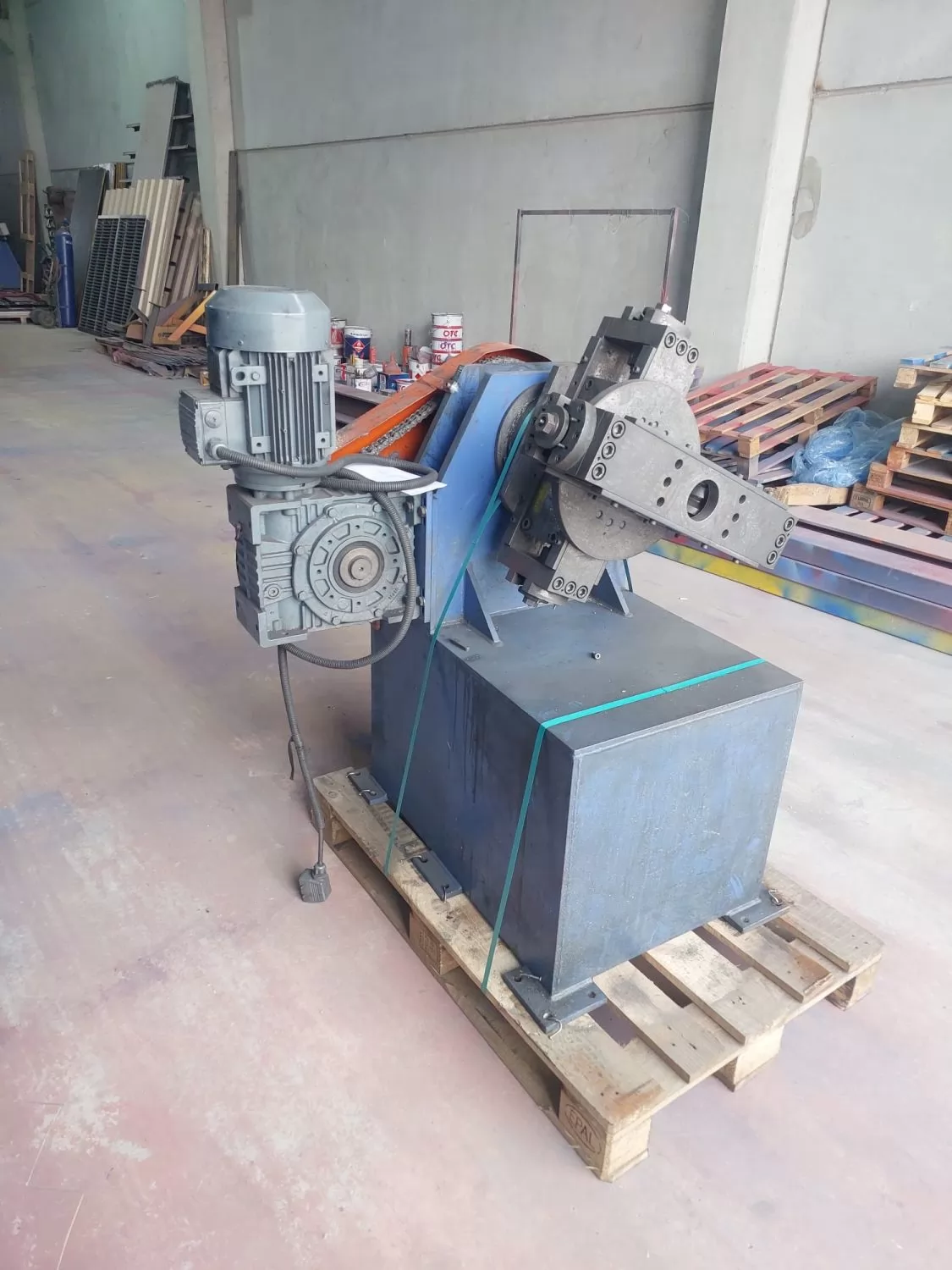
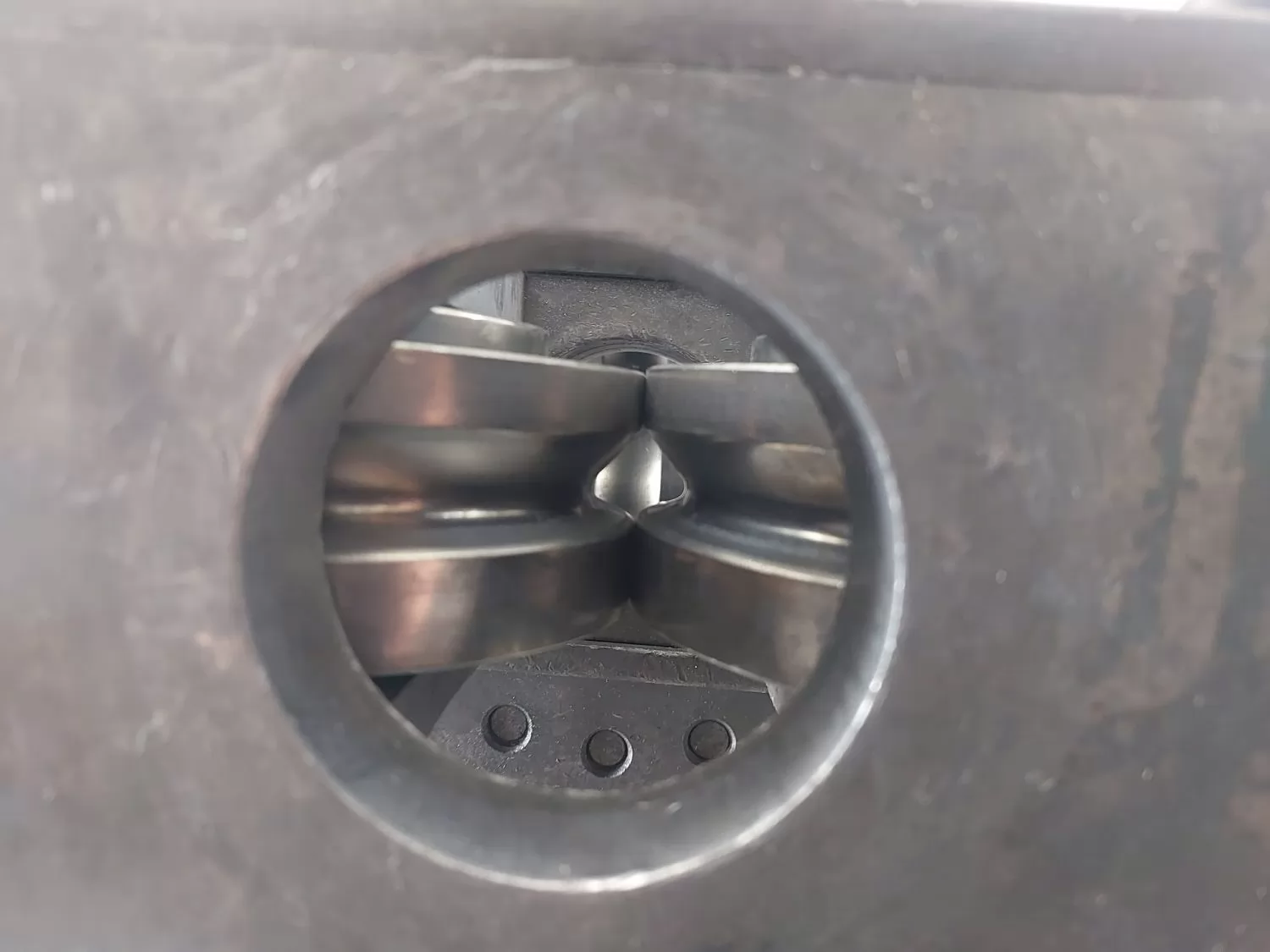
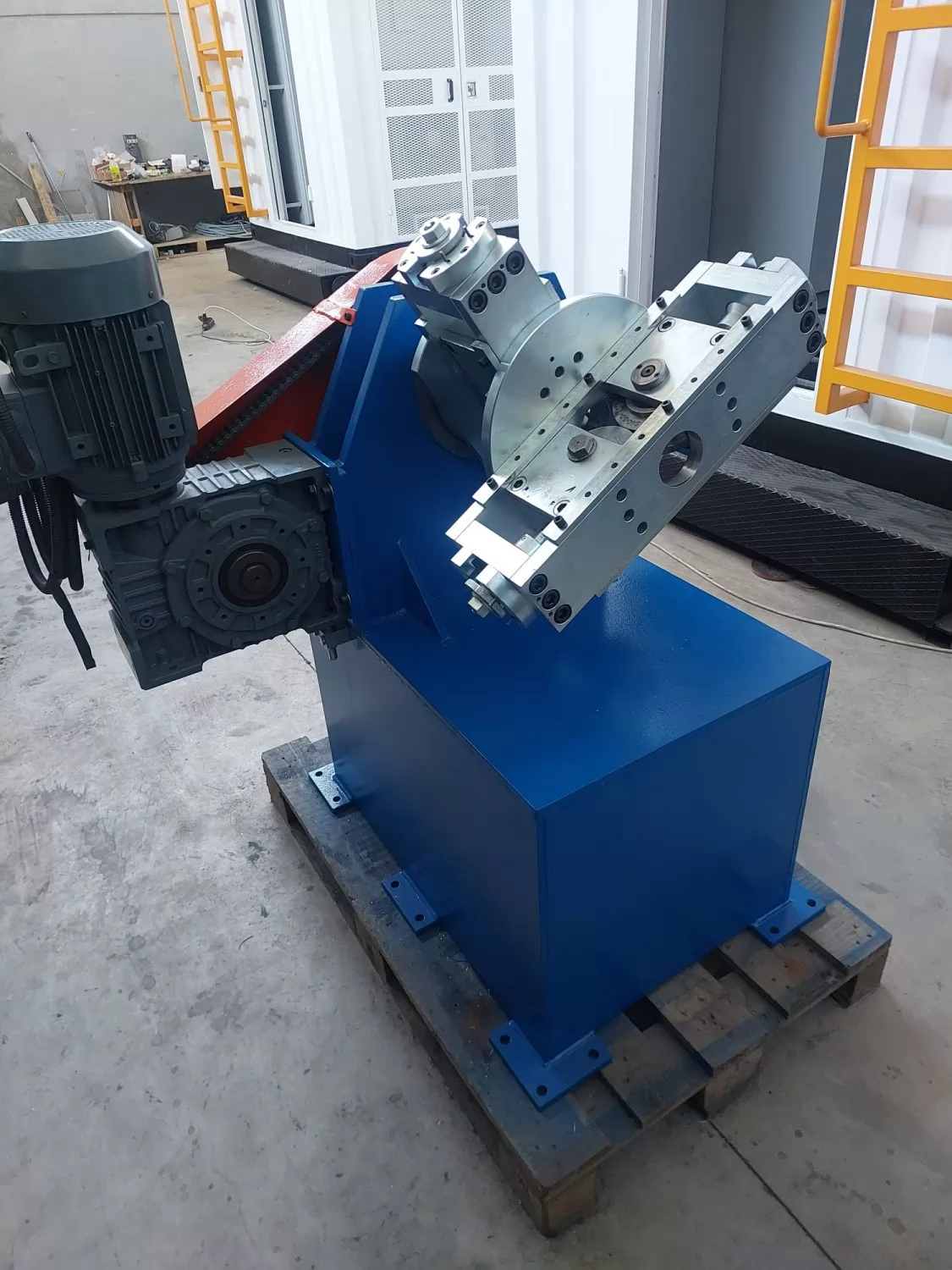
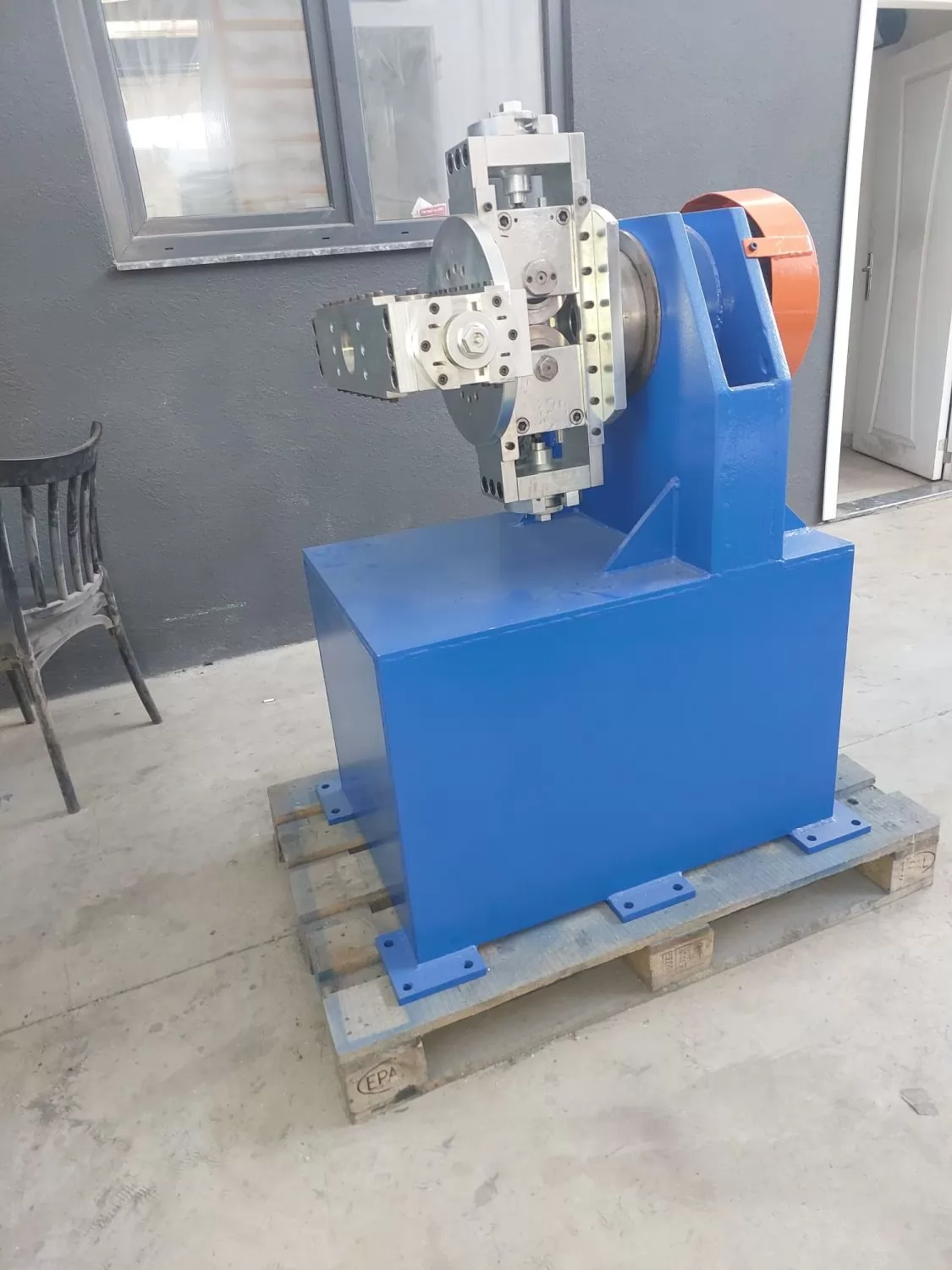
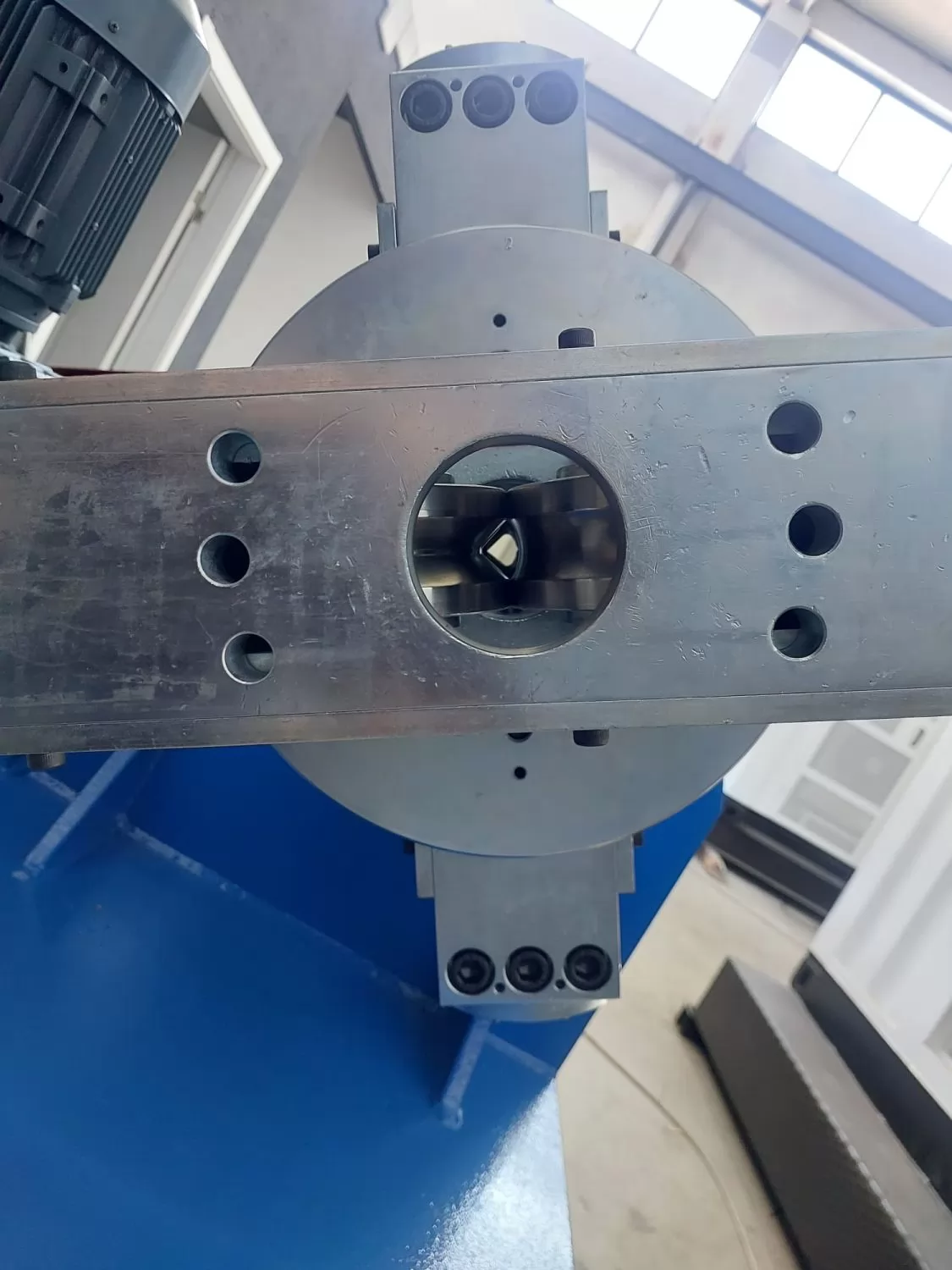
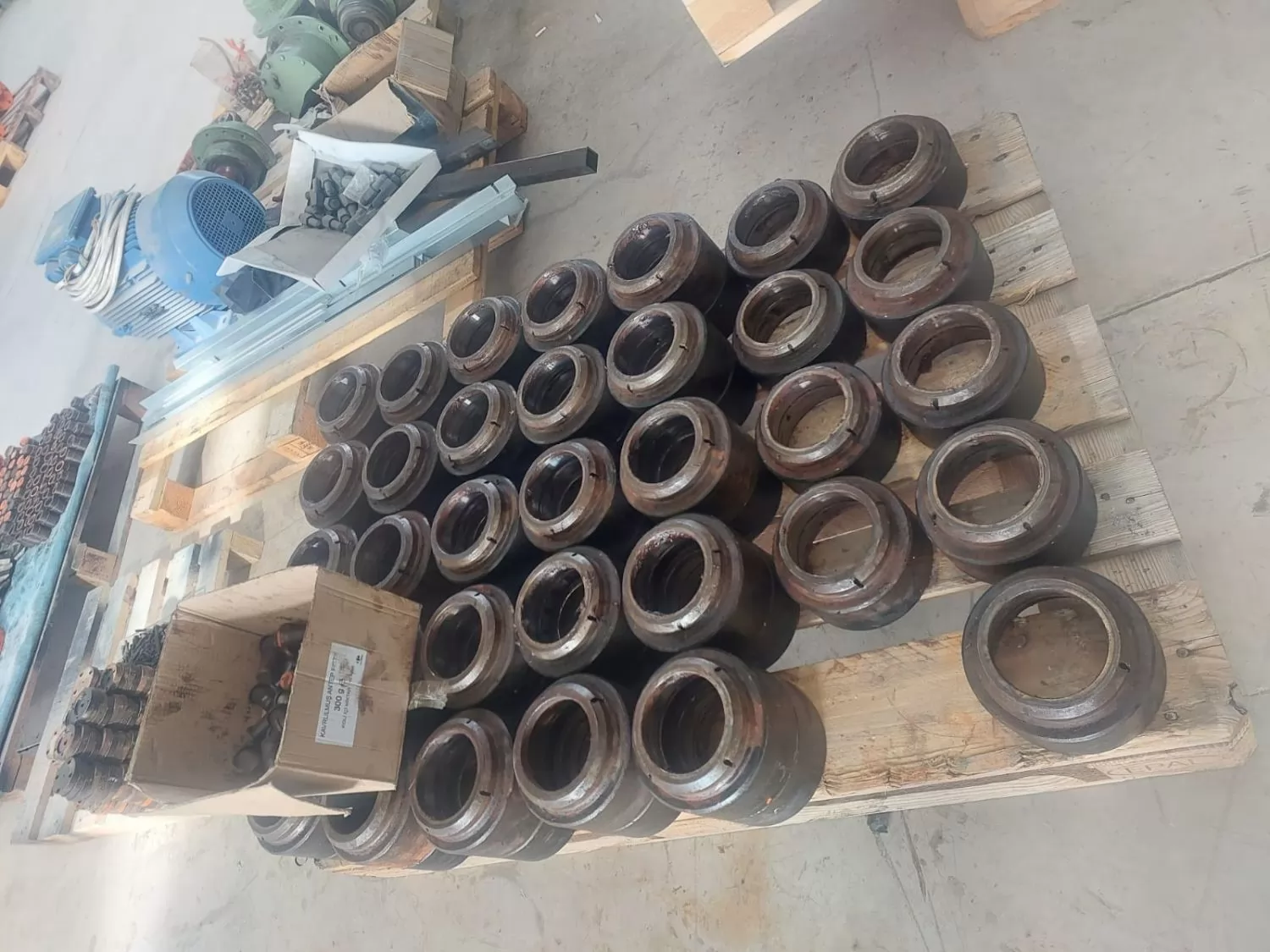
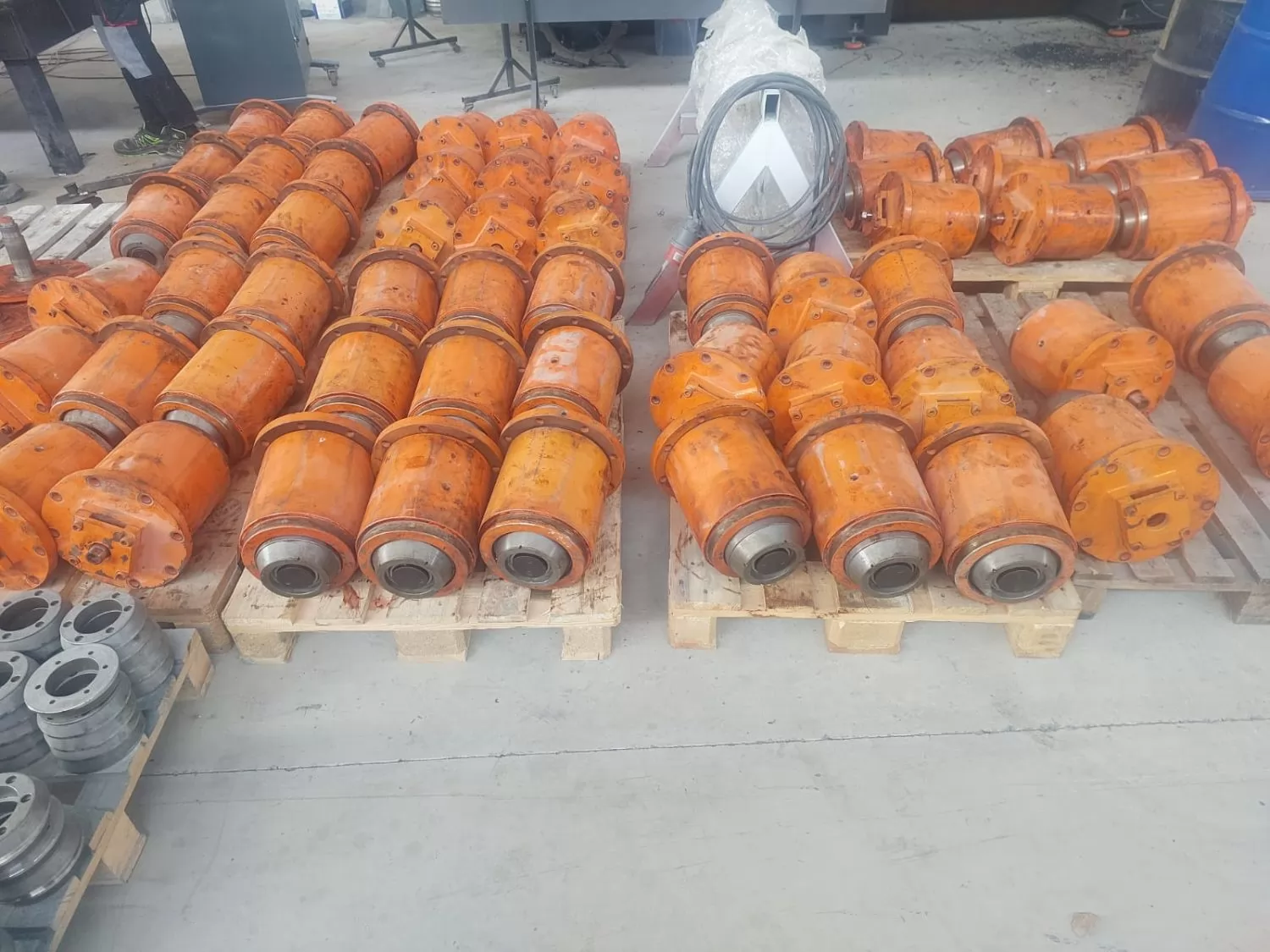
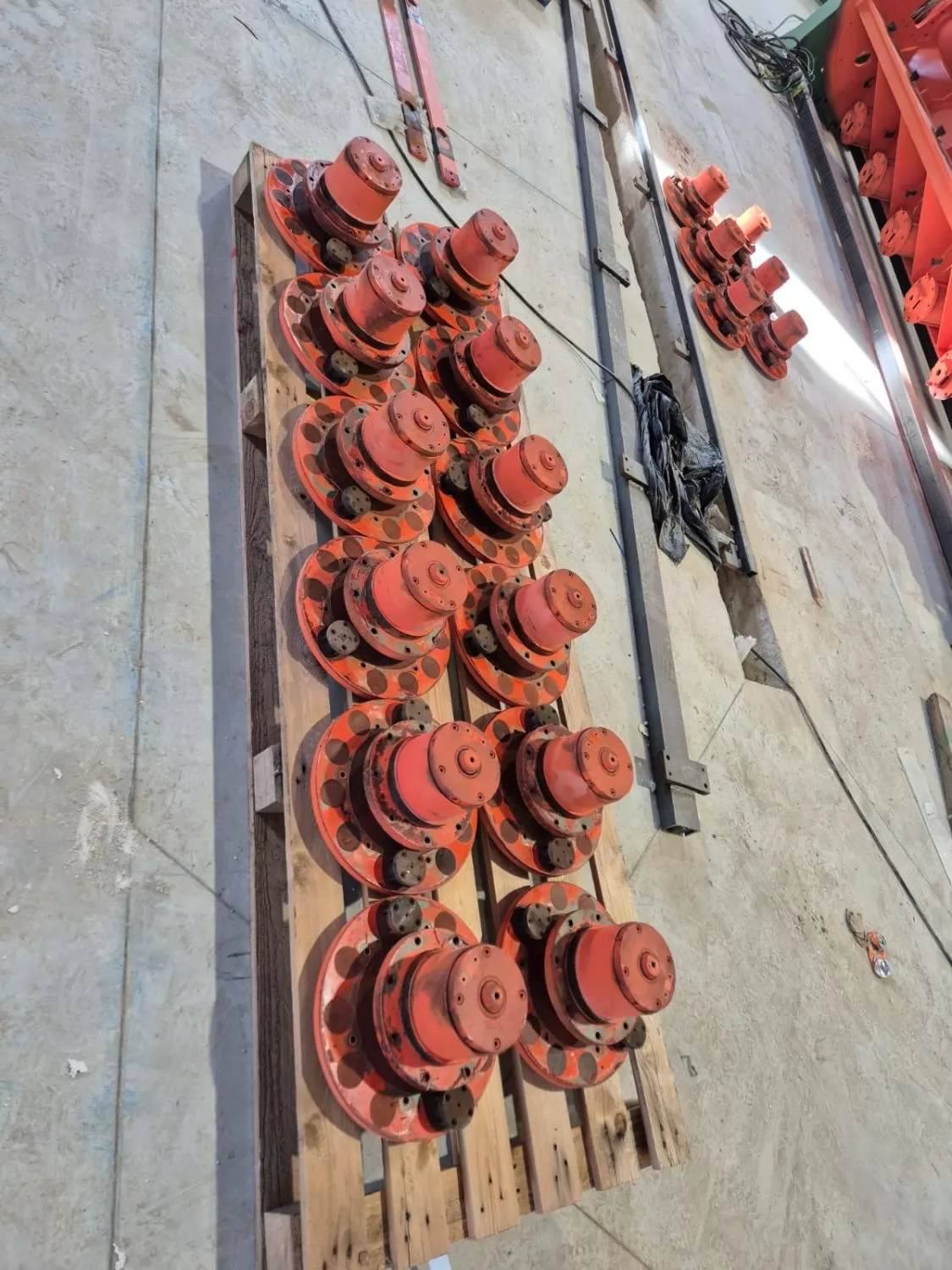
Machine Overhaul and Refurbishment Services
Machine Overhaul and Refurbishment Services
Machine Overhaul
Industrial machinery operating for long periods may gradually develop mechanical wear, vibration, loss of precision, reduced production capacity, and unplanned downtime.
Machine overhaul is the comprehensive process of inspecting the technical condition of an existing machine, renewing worn or underperforming components, and restoring the machine to reliable production conditions.
AFN Makina develops mechanical overhaul, maintenance, repair, spare parts manufacturing, and modernization solutions, particularly for machinery used in the wire and cable industry.
A properly planned overhaul can extend machine service life, improve production performance, and help manufacturers obtain greater efficiency from existing equipment without immediately investing in new machinery.
What Is Machine Overhaul?
Machine overhaul is not simply the replacement of a failed component.
During a comprehensive overhaul, the machine’s overall mechanical structure, moving systems, drive components, bearing assemblies, and other elements affecting production performance are evaluated together.
Depending on their condition, components may be:
-
Inspected
-
Repaired
-
Re-machined
-
Replaced
-
Re-manufactured
-
Upgraded with newer systems
The objective is to restore the machine to reliable and stable operating conditions as far as technically possible.
Cable Production Machinery Overhaul
Cable production machinery may operate continuously at high speeds and under demanding mechanical conditions.
Rotating systems, shafts, bearing assemblies, bearings, gearboxes, and reel handling mechanisms are particularly exposed to natural wear over time.
AFN Makina machine overhaul services can be applied to various types of cable production equipment, including:
-
Buncher Stranding Lines
-
Single Twist Lines
-
Rigid Stranding Lines
-
Drum Twister Lines
-
Screening Lines
-
Armoring Lines
-
Taping Lines
-
Transfer Lines
-
Caterpillar systems
-
Capstan systems
-
Pay-Off units
-
Take-Up units
-
Auxiliary cable production equipment
How Is a Machine Overhaul Performed?
A successful overhaul process begins with an accurate evaluation of the current condition of the machine.
1. Technical Inspection
The first stage involves a detailed inspection of the machine’s mechanical condition.
Wear, deformation, looseness, imbalance, vibration, and irregular operating performance are identified.
2. Preparation of the Overhaul Plan
Based on the inspection results, it is determined which components can remain in service, which components should be repaired, and which parts must be replaced.
3. Machine Disassembly
Depending on the scope of the overhaul, the relevant mechanical systems are carefully disassembled.
This allows access to shafts, bearings, gearboxes, couplings, drums, and other moving components.
4. Mechanical Component Inspection
Disassembled parts are inspected mechanically and dimensionally.
Where required, dimensional measurements, tolerance checks, and surface inspections are performed.
5. Component Repair or Re-Manufacturing
Components that remain suitable for use may be repaired or re-machined.
Parts that have reached the end of their service life can be replaced or manufactured again according to the required technical dimensions.
6. Reassembly and Adjustment
All overhauled systems are reassembled according to technical requirements.
Alignment, centering, tension, and mechanical adjustments are then completed.
7. Testing and Inspection
After the overhaul is completed, the operating performance of the machine is tested.
Vibration, noise, movement accuracy, and overall operating stability are checked.
Mechanical Machine Overhaul
Mechanical overhaul is essential for restoring the reliable operation of production machinery.
Depending on the machine, the following systems can be inspected:
-
Main machine frame
-
Welded structures
-
Shafts
-
Bearings
-
Bearing housings
-
Bushings
-
Gearboxes
-
Couplings
-
Pulleys
-
Chain systems
-
Belt systems
-
Gears
-
Drums
-
Rollers
-
Braking mechanisms
-
Rotating systems
-
Connection components
The appropriate repair or replacement method is determined according to the condition of each component.
Shaft and Bearing System Overhaul
Shafts and bearing systems are among the most critical mechanical components in many industrial machines.
Wear or alignment problems in these systems may cause:
-
Vibration
-
Noise
-
Bearing failures
-
Loss of precision
-
Irregular rotation
-
Reduced production quality
During overhaul, shaft dimensions, surfaces, bearing areas, and alignment are inspected.
When necessary, shafts can be re-machined or manufactured again.
Bearing and Housing Overhaul
Bearings in high-speed cable production machinery are exposed to intensive mechanical loads.
If damaged or worn bearings are not replaced in time, they may cause more serious damage to other mechanical components.
During the overhaul process, the following may be checked:
-
Bearings
-
Bearing housings
-
Bearing surfaces
-
Lubrication systems
-
Shaft-to-bearing compatibility
Gearbox and Transmission System Overhaul
The reliable operation of transmission systems that transfer motor power into mechanical motion is critical for machine performance.
The following components may be inspected:
-
Gearboxes
-
Gears
-
Couplings
-
Chains
-
Belts
-
Pulleys
-
Drive shafts
Worn components or parts with excessive mechanical clearance can be renewed when necessary.
Drum and Rotating System Overhaul
Drums and other rotating components in cable production machinery may operate at high rotational speeds.
For this reason, balancing, alignment, and bearing condition are especially important.
Imbalance in rotating systems may cause:
-
Vibration
-
Excessive noise
-
Reduced bearing life
-
Additional loads on the machine frame
-
Reduced production quality
During overhaul, the mechanical condition and alignment of rotating systems are inspected.
Machine Frame and Body Overhaul
Over the years, a machine frame may be affected by mechanical loads, vibration, and demanding operating conditions.
During frame overhaul, the following areas can be inspected:
-
Welded areas
-
Connection points
-
Mounting surfaces
-
Machine geometry
-
Supporting structures
-
Mechanical deformation
Where necessary, reinforcement and welded fabrication work can be performed.
Machine Spare Parts Manufacturing
One of the most common challenges during the overhaul of older machinery is the unavailability of original spare parts.
AFN Makina can manufacture machine spare parts according to technical drawings, existing samples, or measured dimensions when required.
Parts that may be manufactured include:
-
Shafts
-
Bushings
-
Flanges
-
Hubs
-
Bearing components
-
Rollers
-
Connection parts
-
Machine body components
-
Custom mechanical components
Overhaul with Precision Machining
During an overhaul, some components may not need to be completely replaced.
Depending on their condition, they may be restored using precision machining methods such as CNC turning or CNC milling.
This approach can be used especially for components such as:
-
Shaft bearing surfaces
-
Bushings
-
Flanges
-
Hubs
-
Bearing components
-
Connection surfaces
These parts often require precise tolerances for proper machine operation.
Difference Between Machine Overhaul and Modernization
Machine overhaul and modernization are closely related, but they are not the same process.
Machine overhaul focuses mainly on restoring the existing machine’s mechanical performance and operating reliability.
Machine modernization focuses on improving the machine by introducing newer technologies and systems.
For example:
-
Replacing bearings is an overhaul
-
Replacing a worn shaft is an overhaul
-
Repairing a gearbox is an overhaul
-
Replacing the PLC system is modernization
-
Adding an HMI panel is modernization
-
Replacing outdated motor drives is modernization
In many projects, overhaul and modernization can be performed together.
Can Old Machines Be Overhauled?
Yes.
The age of a machine does not necessarily mean that it must be replaced.
Industrial machinery with a strong and heavy-duty mechanical frame can often remain in operation for many more years after a comprehensive overhaul.
Before making an overhaul decision, the following should be evaluated together:
-
Condition of the main frame
-
Level of mechanical wear
-
Spare parts availability
-
Electrical and automation systems
-
Safety requirements
-
Overhaul cost
Advantages of Machine Overhaul
A properly performed machine overhaul can provide several benefits:
-
Extended machine service life
-
Reduced risk of breakdowns
-
Reduced unplanned production downtime
-
Lower vibration and noise
-
Improved mechanical precision
-
Improved production quality
-
Better control of maintenance costs
-
More efficient use of existing equipment
-
Solutions for obsolete spare parts
-
Possibility of delaying investment in new machinery
When Should a Machine Be Overhauled?
The following signs may indicate that a machine requires a comprehensive overhaul:
-
Excessive vibration
-
Repeated bearing failures
-
Increased mechanical noise
-
Reduced production capacity
-
Inconsistent product quality
-
Loss of machine precision
-
Oil leakage
-
Gearbox problems
-
Shaft wear
-
Frequent production stoppages
-
Original spare parts are no longer available
-
Continuously increasing maintenance costs
When these problems appear, a detailed technical inspection may be recommended.
Overhaul or New Machine?
The decision should be based on the technical condition of the machine and future production requirements.
If the main frame is strong and the mechanical structure remains suitable for operation, overhaul can be an economical solution.
However, if the machine technology no longer meets production requirements, modernization or investment in new machinery may also need to be considered.
For this reason, a technical and economic evaluation should be performed before making a final decision.
Importance of Overhaul in Cable Production Machinery
Many machines in a cable production line operate as interconnected systems.
A mechanical problem in a single machine can stop the entire production line.
Mechanical accuracy and balanced rotating systems are especially important in high-speed Buncher, Single Twist, Rigid Stranding, and Drum Twister systems.
Regular maintenance and comprehensive overhaul when required help maintain the reliability of the complete production line.
AFN Makina Machine Overhaul Services
AFN Makina develops overhaul solutions according to the technical condition of existing machinery by combining its experience in wire and cable machinery, mechanical manufacturing, and machine production.
Depending on project requirements, the process may include:
-
Technical analysis
-
Mechanical disassembly
-
Component inspection
-
Precision machining
-
Spare parts manufacturing
-
Welded fabrication
-
Mechanical assembly
-
Alignment and adjustment
-
Testing
-
Modernization
Contact AFN Makina to evaluate overhaul solutions for old, underperforming, or frequently failing cable production machinery.
Frequently Asked Questions
What is machine overhaul?
Machine overhaul is the comprehensive inspection of an existing machine, including the repair or replacement of worn mechanical components, in order to restore reliable operating conditions.
Which machines can be overhauled?
Depending on their technical condition, cable production machinery, custom industrial machines, haul-off systems, pay-off and take-up units, and various auxiliary machines can be overhauled.
Can an old cable production machine be overhauled?
Yes. If the main frame and fundamental mechanical structure remain in good condition, old cable production machines can often be returned to operation through a comprehensive mechanical overhaul.
Which components are replaced during machine overhaul?
Depending on machine condition, bearings, shafts, bearing housings, bushings, gearboxes, couplings, chains, belts, gears, and other mechanical components may be replaced.
Can spare parts be manufactured during an overhaul?
Yes. Mechanical components that are no longer commercially available can be manufactured according to technical drawings, samples, or measured dimensions.
Can machine overhaul improve production performance?
Depending on the condition of the machine, reducing mechanical losses, eliminating vibration, and renewing worn components can improve operating stability and production performance.
What is the difference between overhaul and maintenance?
Maintenance generally includes periodic inspections, lubrication, adjustments, and limited component replacement. Overhaul can involve more extensive machine disassembly, inspection, repair, and renewal of major mechanical systems.
What is the difference between overhaul and modernization?
Overhaul focuses on restoring the machine’s existing performance, while modernization aims to improve the machine with newer technologies and systems.
Can overhaul and modernization be performed together?
Yes. During mechanical overhaul, electrical systems, motors, drives, PLCs, HMIs, or safety systems can also be modernized within the same project.
Is a technical inspection required before machine overhaul?
Yes. The existing condition of the machine should be evaluated before the scope of the overhaul and required component replacements can be determined accurately.
We enhance the performance and efficiency of your existing machines through comprehensive overhaul and modernization services. By upgrading mechanical, electrical, and automation systems, we bring your equipment up to current production standards.