Cable Machinery Service and Modernization
Cable Machinery Service and Modernization
Cable Machinery Service and Modernization
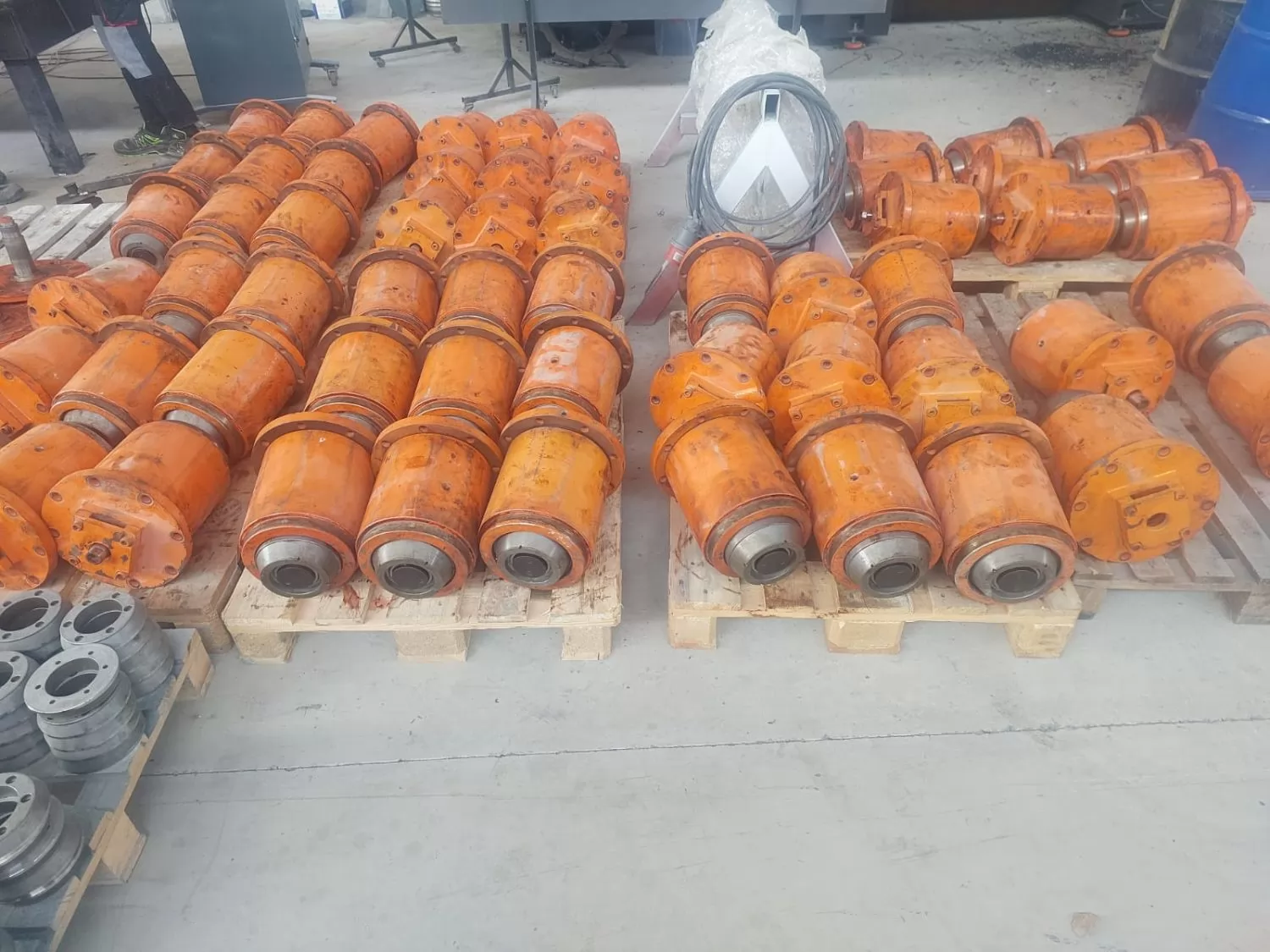
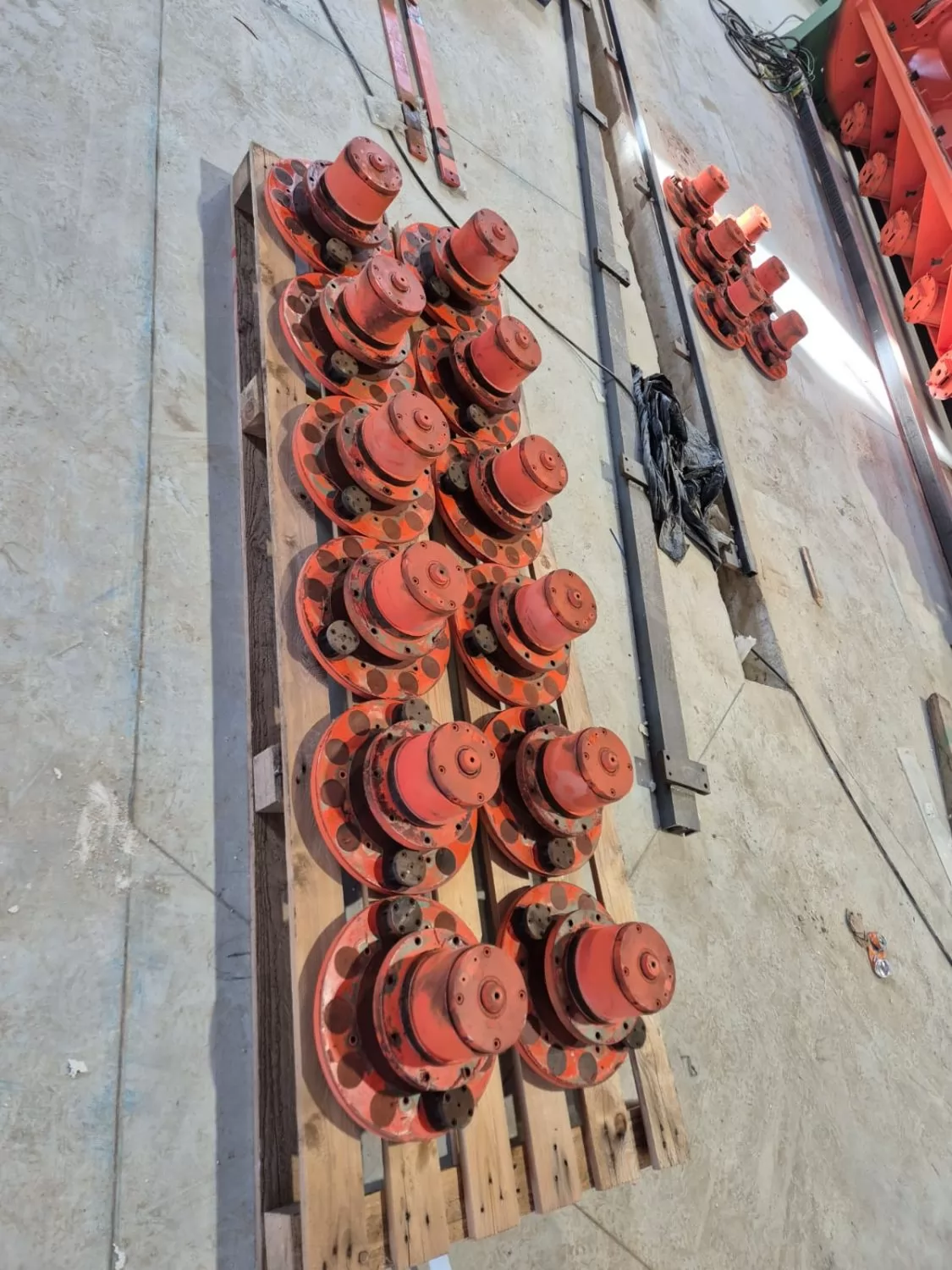
Machinery used in cable production lines may experience mechanical wear, performance loss, precision issues, and reduced production capacity over time due to continuous and demanding operating conditions.
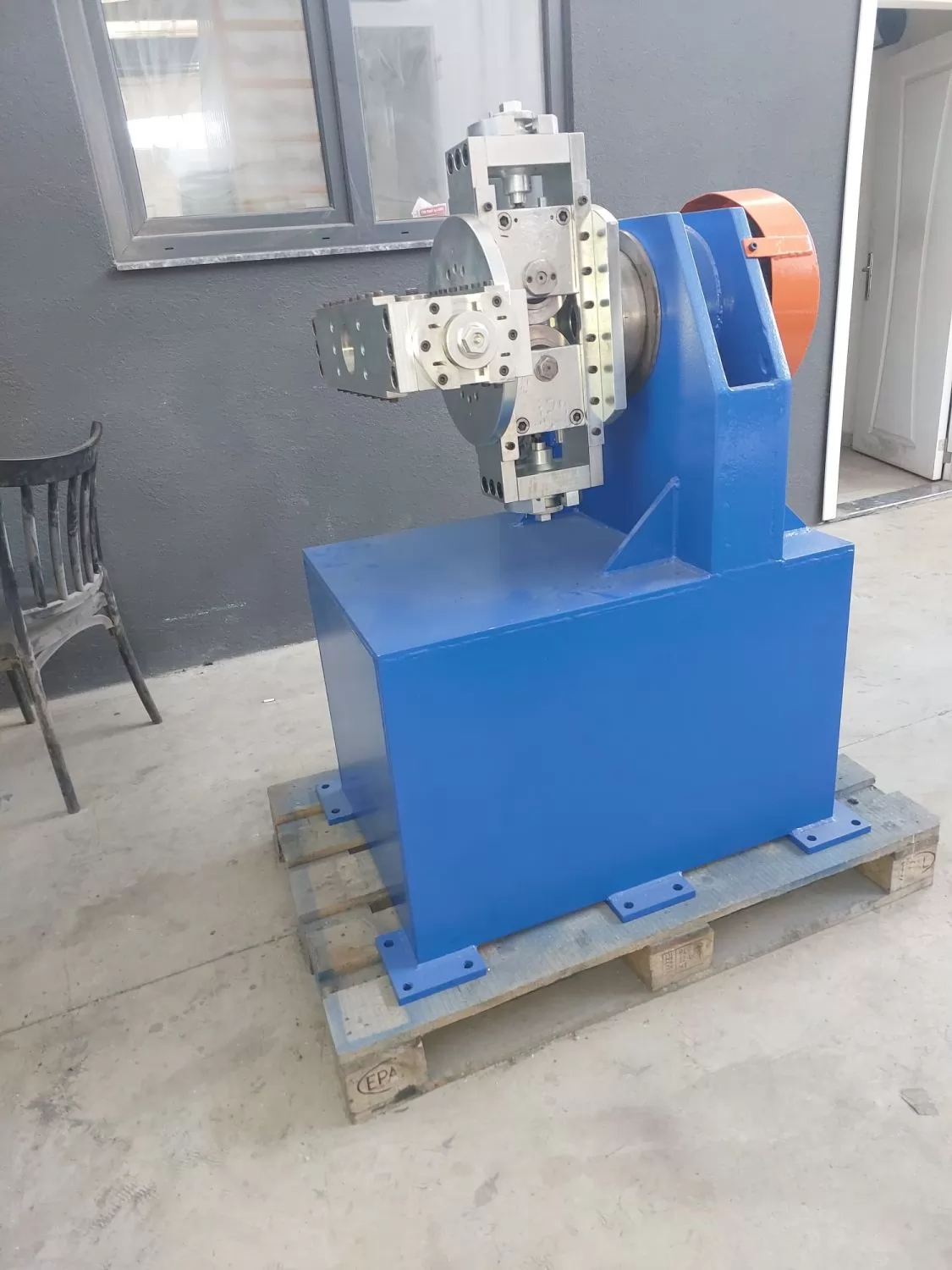
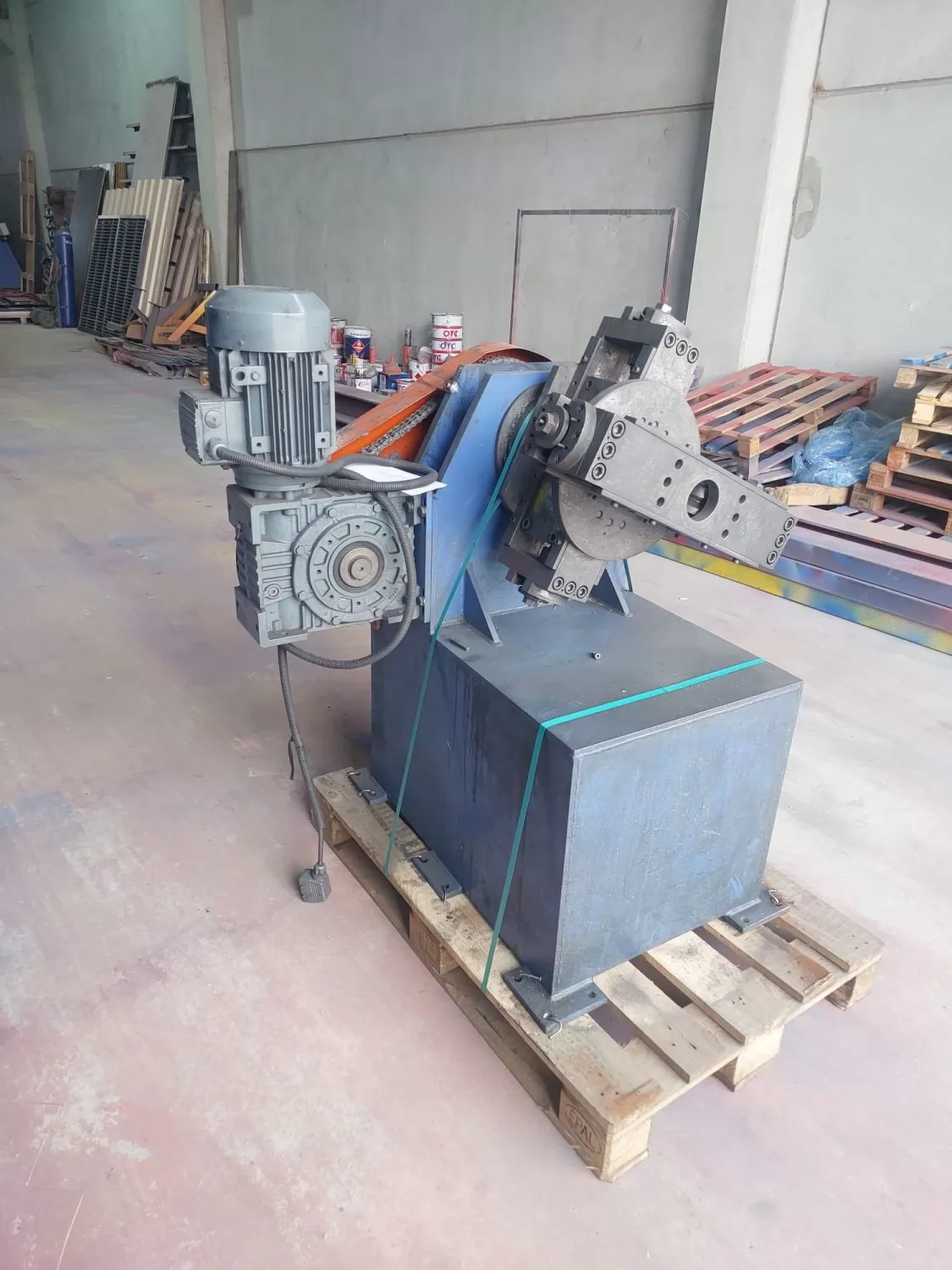
AFN Makina cable machinery service and modernization solutions are designed to improve the operating performance of existing machines, extend their service life, and adapt them to current production requirements.
Instead of investing in completely new equipment, maintenance, overhaul, and modernization of existing cable production machinery can be an effective way for manufacturers to improve production capacity while keeping investment costs under control.
Cable Machinery Service
Mechanical problems in cable production machinery can cause not only one machine but an entire production line to stop. For this reason, proper fault diagnosis and timely technical intervention are essential.
During AFN Makina cable machinery service operations, the current condition of the machine is inspected and the required maintenance, repair, and mechanical improvements are identified.
Service operations may include:
-
Mechanical system inspections
-
Bearing and housing inspections
-
Shaft and transmission system checks
-
Coupling and gearbox inspections
-
Belt and chain system checks
-
Reel and drum mechanism inspections
-
Identification of worn mechanical components
-
Machine alignment
-
Vibration and balancing checks
-
Safety equipment inspections
-
Replacement of required mechanical components
-
General maintenance and overhaul
What Is Cable Machine Modernization?
Cable machine modernization is the process of upgrading the mechanical, electrical, or automation systems of an existing machine instead of completely replacing the machine.
Modernization can be especially beneficial for older cable production machines whose main mechanical structure is still in good condition.
With properly planned cable machine modernization, production performance can be improved, maintenance requirements can be reduced, and machine operation can become easier and more controllable.
Cable Production Machinery Overhaul and Modernization
Every machine has different operating conditions, service history, and technical characteristics. Therefore, modernization projects should be planned according to the actual condition of each machine rather than applying a standard solution.
The first stage is to analyze the machine's mechanical and technical condition.
The following items are then identified:
-
Systems that need replacement
-
Mechanical components requiring overhaul
-
Components causing performance loss
-
Drive systems that can be upgraded
-
Automation requirements
-
Improvements required for operator safety
Based on this evaluation, a machine-specific modernization plan can be prepared.
Mechanical Overhaul
Cable machinery operating continuously under demanding production conditions may develop mechanical wear over time.
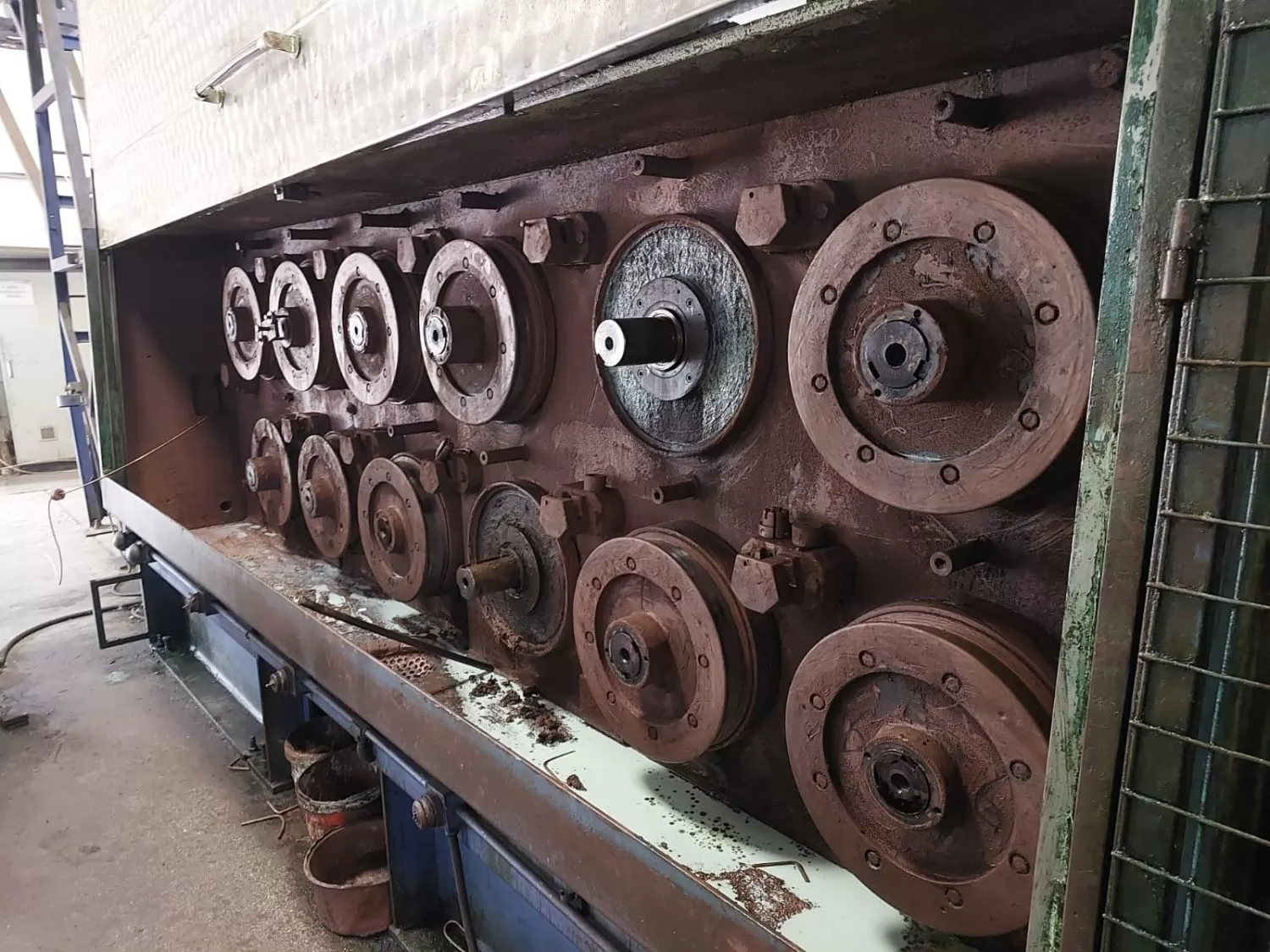
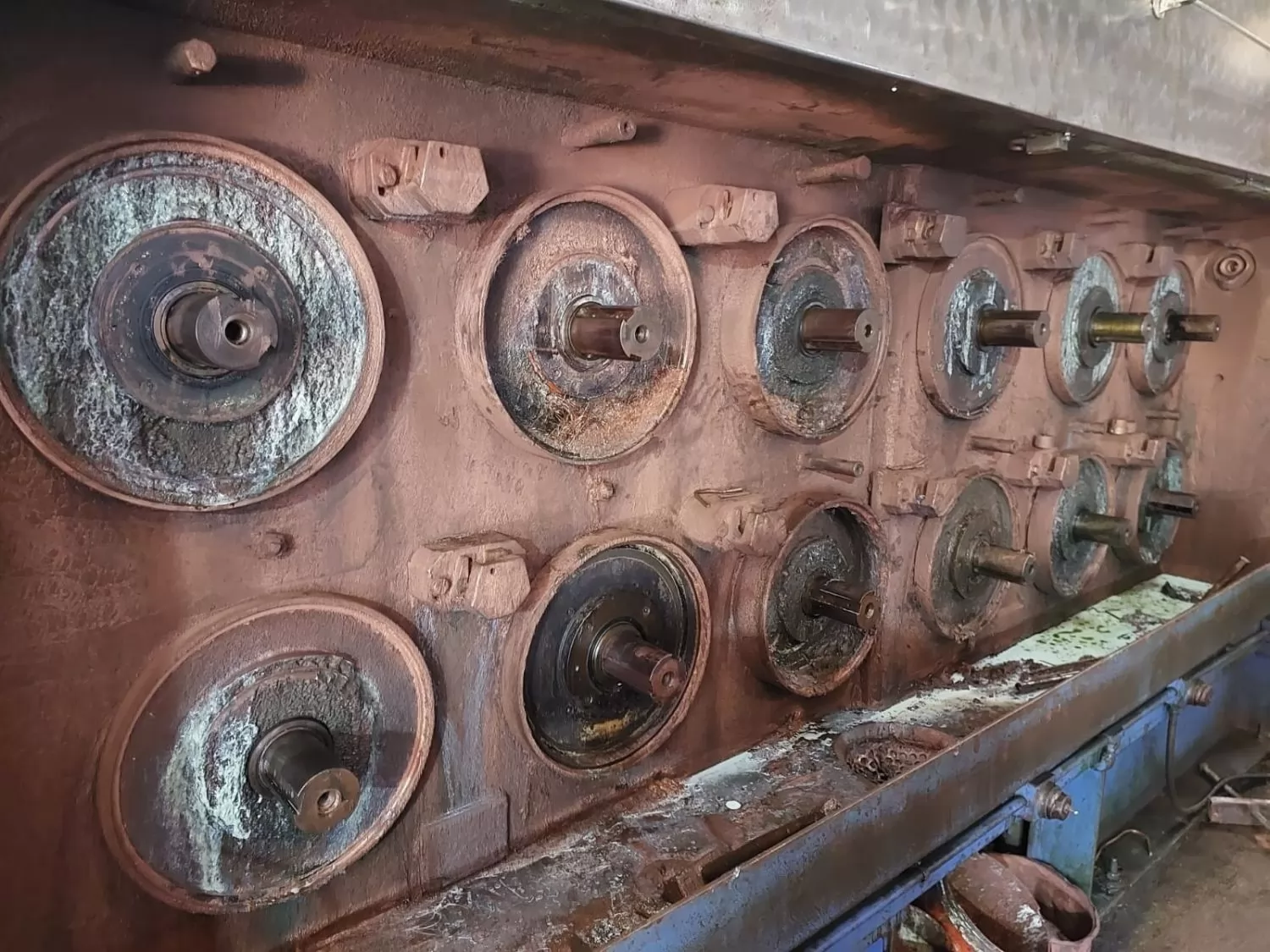
As part of a mechanical overhaul, the machine frame, shafts, bearing systems, bearings, drums, rollers, transmission components, and other mechanical parts are inspected.
Worn or damaged parts can be replaced or manufactured again when necessary.
These improvements can contribute to more stable machine operation and extend the overall service life of the equipment.
Electrical and Automation Modernization
Electrical and control systems used in older cable production machines may become inadequate for today's production requirements.
Depending on the modernization project, upgrades may include:
-
Replacement of electrical panels
-
PLC system upgrades
-
Installation of HMI operator panels
-
Sensor system upgrades
-
Motor and drive modernization
-
More accurate control of production parameters
-
Modernization of machine safety systems
The objective is to preserve the existing mechanical structure wherever possible while transforming the machine into a more modern, efficient, and controllable production system.
Cable Machinery Spare Parts Manufacturing
During service and modernization projects, some required components may no longer be commercially available, or sourcing original parts from the manufacturer may take a long time.
In such cases, custom machine spare parts can be manufactured according to the dimensions and operating requirements of the existing component.
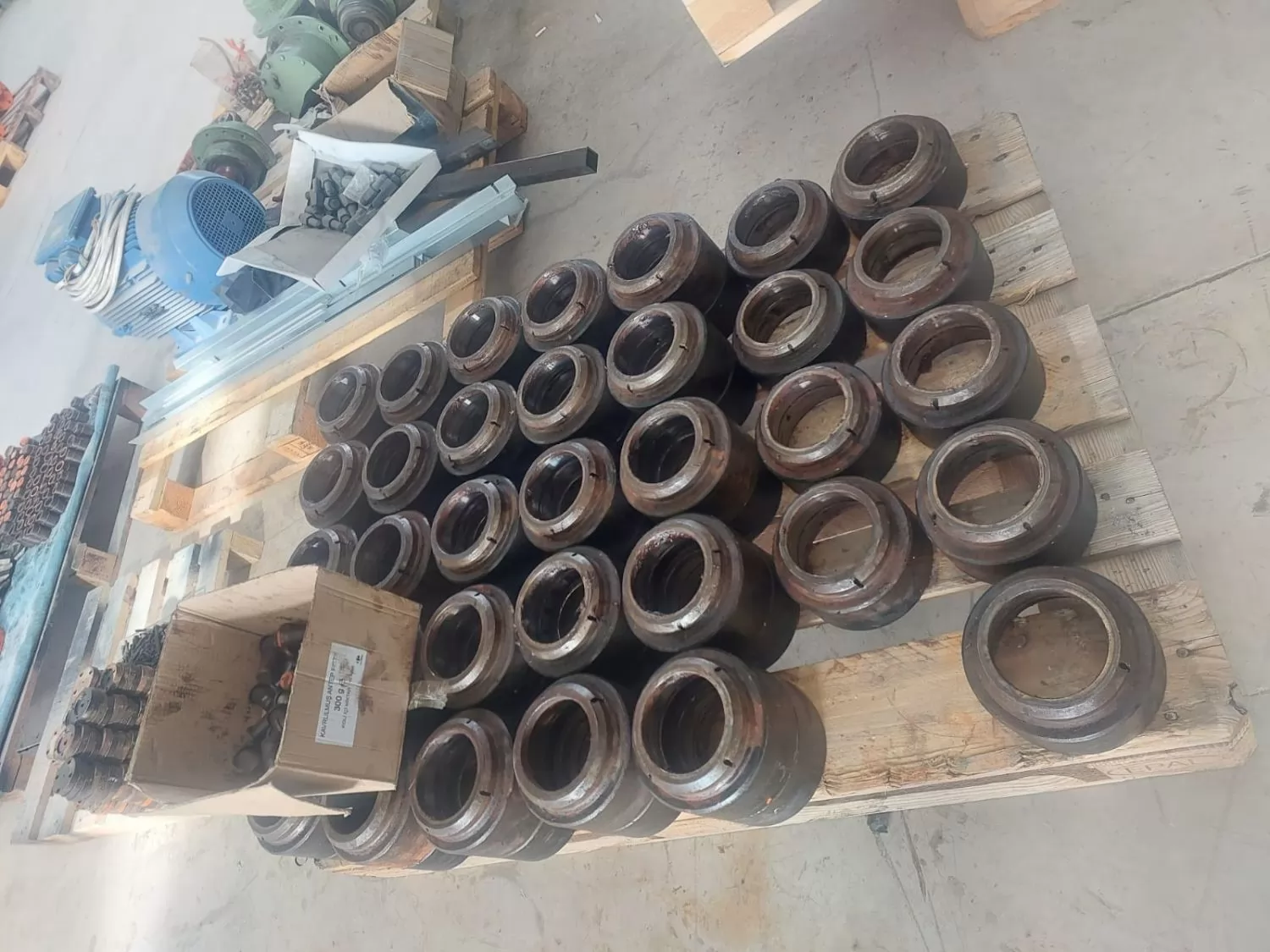
Shafts, bushings, bearing components, connection parts, roller systems, and other mechanical components can be manufactured according to specific requirements.
This capability is particularly important when restoring older cable production machinery or machines that are no longer supported by their original manufacturer.
Which Cable Machines Can Be Serviced and Modernized?
Service, overhaul, and modernization can be applied to different types of cable production equipment.
Buncher Machine Service and Modernization
For buncher machines, drum systems, bearing assemblies, transmission systems, wire guiding equipment, and drive mechanisms can be inspected and overhauled when required.
Single Twist Machine Service and Modernization
Single Twist lines can be modernized through improvements to mechanical transmission systems, reel handling mechanisms, rotating systems, and control equipment.
Rigid Stranding Line Service and Modernization
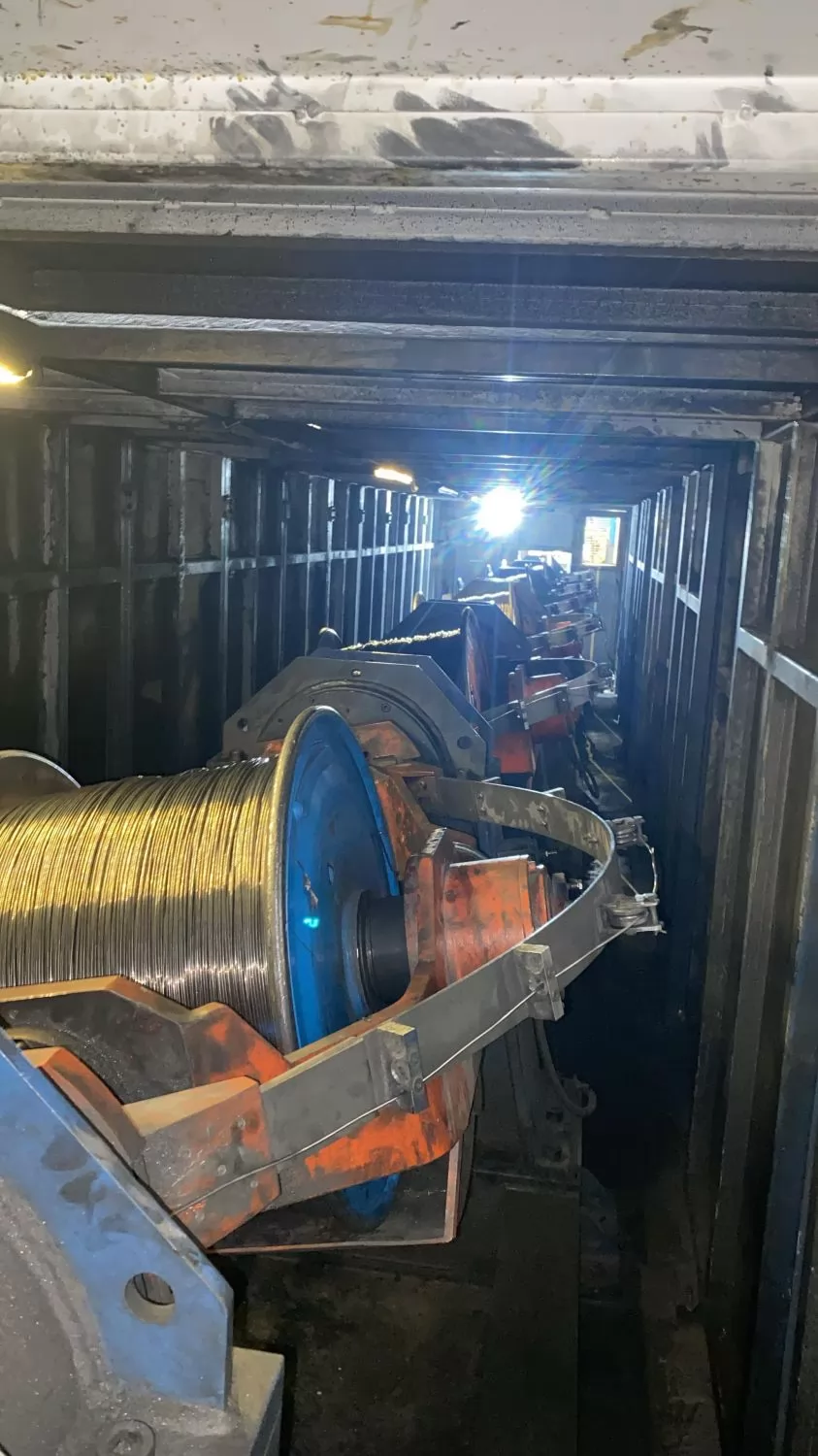
Rigid stranding machines can undergo overhaul of cage structures, bearing systems, braking systems, reel carriers, and transmission mechanisms.
Drum Twister Service and Modernization
For Drum Twister systems, drum mechanisms, bearing systems, drive components, and mechanical connections can be inspected and upgraded to improve operating stability.
Screening and Armoring Lines
Wire feeding systems, reel handling mechanisms, rotating systems, and mechanical transmission equipment used in cable screening and armoring machines can be revised according to current production requirements.
Pay-Off and Take-Up Systems
Reel handling mechanisms, braking systems, motors, moving frames, and control equipment used in pay-off and take-up systems can be upgraded or renewed.
Capstan and Caterpillar Systems
Mechanical and drive components of capstan and caterpillar systems used for cable pulling and transportation can be inspected, maintained, overhauled, and modernized.
Can Old Cable Machines Be Modernized?
Yes. The age of a cable machine does not necessarily mean that it needs to be completely replaced.
If the main frame and mechanical structure remain in usable condition, the machine can often be returned to productive operation through a comprehensive overhaul and modernization project.
Modernization can be particularly attractive for older machines with heavy-duty, high-quality mechanical structures.
However, the technical and economic feasibility of modernization should be determined after a detailed inspection of the machine.
Advantages of Cable Machinery Modernization
A properly planned modernization project can provide several advantages:
-
Extending machine service life
-
Reducing production downtime
-
Improving production stability
-
Improving process control accuracy
-
Simplifying operator control
-
Reducing maintenance requirements
-
Improving spare part availability
-
Improving production capacity
-
Increasing operational safety
-
Making more efficient use of existing machinery compared with purchasing new equipment
Preventive Maintenance for Cable Machinery
Cable production machinery should not only be serviced when a breakdown occurs.
Preventive maintenance helps identify worn components before they develop into major mechanical failures.
Bearings, shafts, belts, chains, gearboxes, couplings, braking mechanisms, and rotating systems should be inspected at regular intervals to support production continuity and machine reliability.
Why AFN Makina?
Service and modernization of cable production machinery requires industry-specific expertise beyond general industrial machine maintenance.
The cable manufacturing process, machine operating principles, and synchronization between different production equipment must be evaluated together.
AFN Makina combines its experience in cable production machinery, mechanical manufacturing, assembly, and technical service to develop customized solutions according to the condition and requirements of existing machines.
Upgrade Your Cable Machinery
Before completely replacing old, underperforming, or frequently failing cable machinery in your production line, you can evaluate service, overhaul, and modernization solutions.
Following an evaluation of the current technical condition of your equipment, the required mechanical overhaul, spare part manufacturing, and modernization work can be determined.
Contact AFN Makina for more information about cable machinery service and modernization solutions.
Frequently Asked Questions
Can cable machinery be modernized?
Yes. If the machine's main mechanical structure and frame are still in usable condition, many cable machines can be modernized by upgrading their mechanical, electrical, drive, and automation systems.
Is it worth modernizing an old cable machine?
If the overall mechanical condition of the machine is good, modernization can be an alternative to purchasing a completely new machine. However, the machine should first be technically evaluated.
Which parts of cable machinery can be overhauled?
Bearings, shafts, bearing housings, gearboxes, couplings, drums, rollers, braking systems, transmission mechanisms, and other mechanical components can be inspected and overhauled depending on their condition.
Can spare parts for cable machinery be manufactured?
Yes. Once technical dimensions and operating requirements are determined, unavailable or custom-sized mechanical parts can be manufactured specifically for the machine.
Do you provide service for buncher machines?
Buncher machines can undergo mechanical maintenance, overhaul, component replacement, and modernization depending on their technical condition.
Can rigid stranding lines be modernized?
Depending on the existing technical condition of the equipment, mechanical, electrical, and automation systems of rigid stranding lines can be overhauled or modernized.
Can an entire cable production line be modernized?
Yes. In addition to individual machines, complete cable production lines consisting of multiple machines can be evaluated and a comprehensive modernization plan can be prepared.
Can modernization increase production capacity?
Depending on the condition of the machine and the scope of the modernization, improvements in operating stability, process control, machine efficiency, and production capacity may be achieved.
Is a machine inspection required before service?
Yes. To prepare the correct service or modernization plan, the current mechanical, electrical, and operational condition of the machine should first be evaluated.
Which cable machines can AFN Makina service?
Depending on their technical condition, AFN Makina can develop service and modernization solutions for Buncher machines, Single Twist machines, Rigid Stranding Lines, Drum Twisters, screening lines, armoring lines, taping equipment, transmission systems, pay-off and take-up units, capstans, caterpillar systems, and other cable production machinery.