R&D and Engineering Design for Cable Machinery | AFN Makina
R&D and Engineering Design for Cable Machinery | AFN Makina
R&D and Engineering Design for Cable Manufacturing Machinery
AFN Makina provides R&D and engineering design services tailored to the requirements of the wire and cable manufacturing industry. From developing a completely new machine to improving an existing production line, we evaluate production capacity, product specifications, factory layout, automation requirements and operational targets as a complete system.
Every manufacturing facility has a different machinery infrastructure, production capacity and operating method. For this reason, standard machinery may not always meet every technical requirement. AFN Makina analyses each customer’s production process and develops machinery, auxiliary equipment and production line solutions according to the specific application.
Our engineering approach is not limited to designing a machine that simply operates. We aim to develop safe, durable and maintainable systems that support production continuity and provide reliable long-term performance.
What Is R&D and Engineering Design?
R&D and engineering design is the complete process of analysis, calculation, modelling, technical development and testing carried out to create a new machine, equipment or production system or to improve the performance of an existing system.
During this process, engineers evaluate the technical specifications of the product, required production capacity, operating speed, materials, mechanical movements, safety requirements and factory conditions.
The engineering design process can result in solutions such as:
- A new cable manufacturing machine,
- Auxiliary equipment for an existing production line,
- A custom winding or take-up system,
- Material transfer and guiding mechanisms,
- A machine modernisation project,
- Mechanical improvements for increased production capacity,
- A fully customised production line.
Which Engineering Services Does AFN Makina Provide?
AFN Makina provides comprehensive engineering services for industrial machinery and production lines, particularly for wire and cable manufacturing applications.
Requirements Analysis and Technical Evaluation
The design process begins with an accurate assessment of the customer’s production requirements. The product type, cable or wire specifications, production capacity, line speed and operating conditions are examined in detail.
The following information may be considered during the technical evaluation:
- Product diameter and construction,
- Wire or cable type,
- Target production capacity,
- Required line speed,
- Reel and drum dimensions,
- Physical conditions of the production area,
- Integration requirements with existing machinery,
- Operator and maintenance requirements,
- Occupational safety criteria,
- Future expansion requirements.
This analysis helps ensure that the proposed investment is correctly planned according to actual production needs.
Conceptual Machine Design
Once the production requirements have been defined, the general operating principle of the machine or production system is developed.
During the conceptual design stage, engineers determine:
- Main machine sections,
- Mechanical operating principles,
- Material flow,
- Production sequence,
- Drive systems,
- Reel handling methods,
- Integration points with other equipment.
Conceptual design allows the project to be evaluated technically before detailed manufacturing work begins. Potential design challenges can therefore be identified and resolved at an early stage.
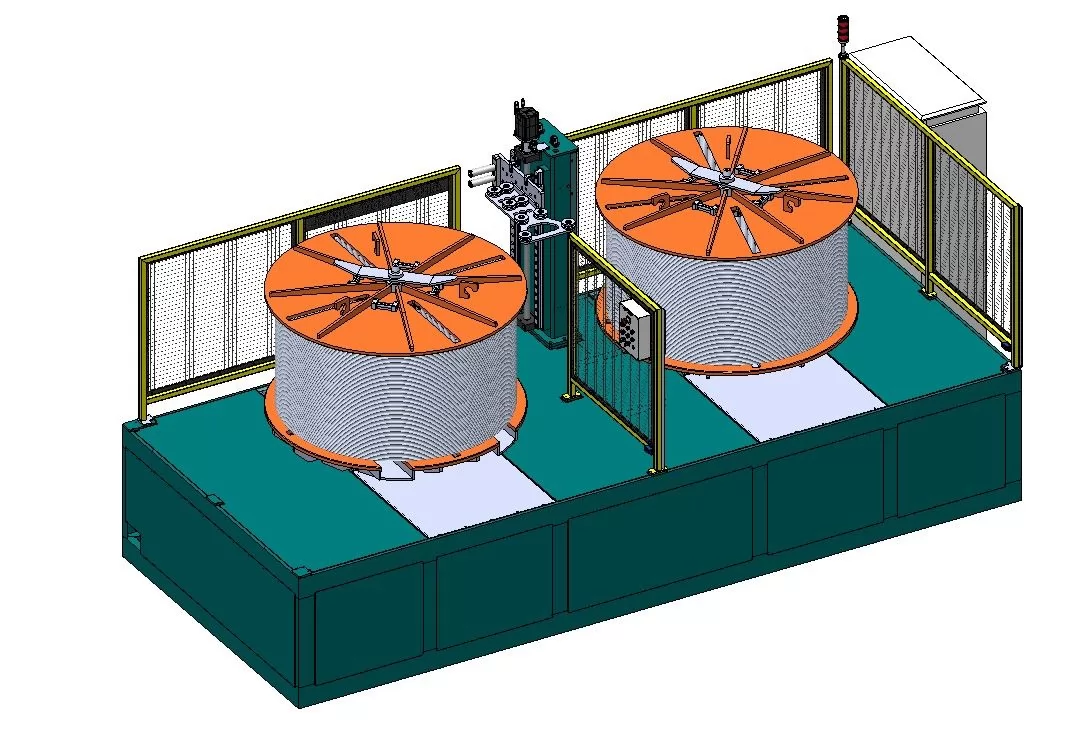
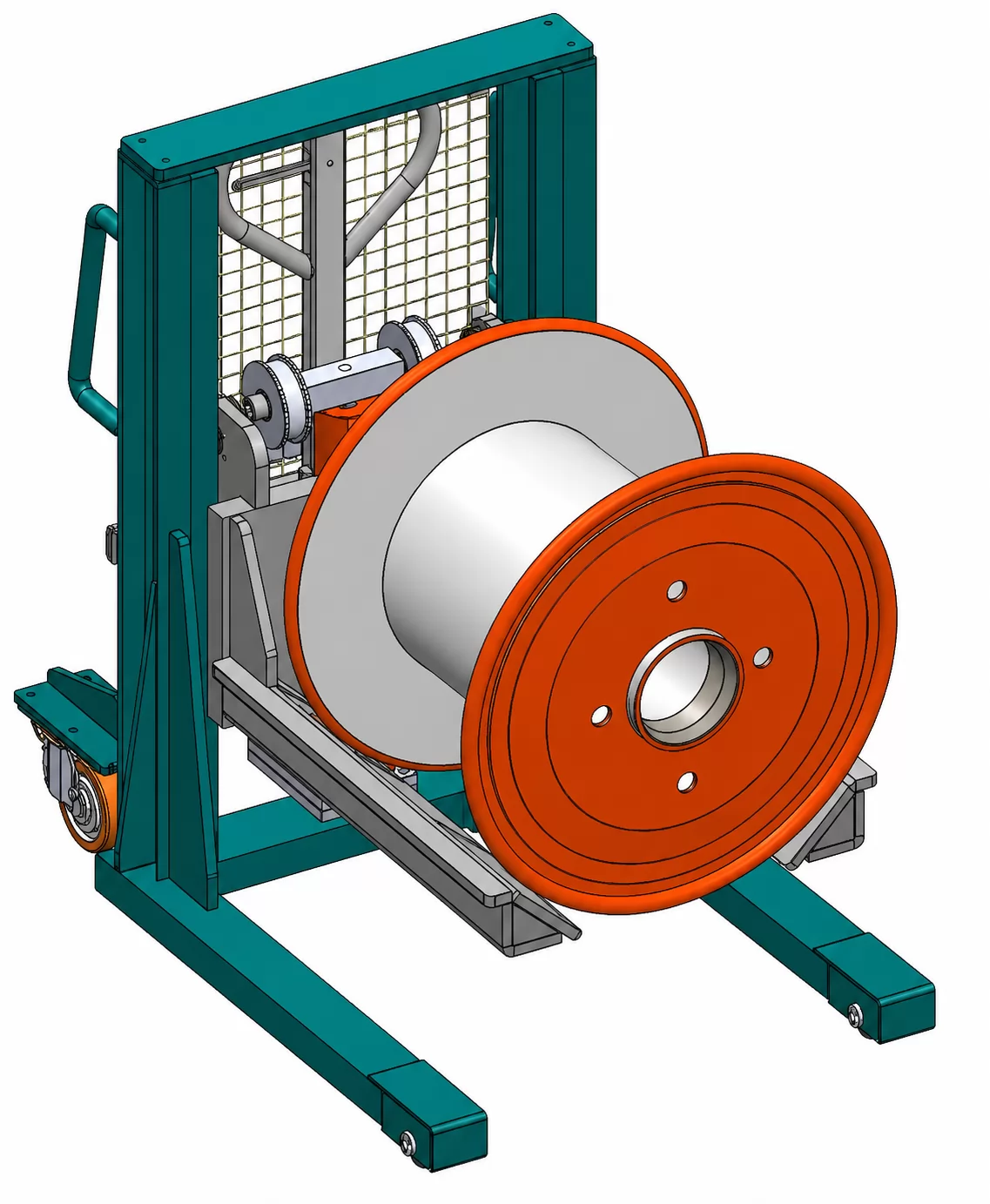
Mechanical Design and 3D Modelling
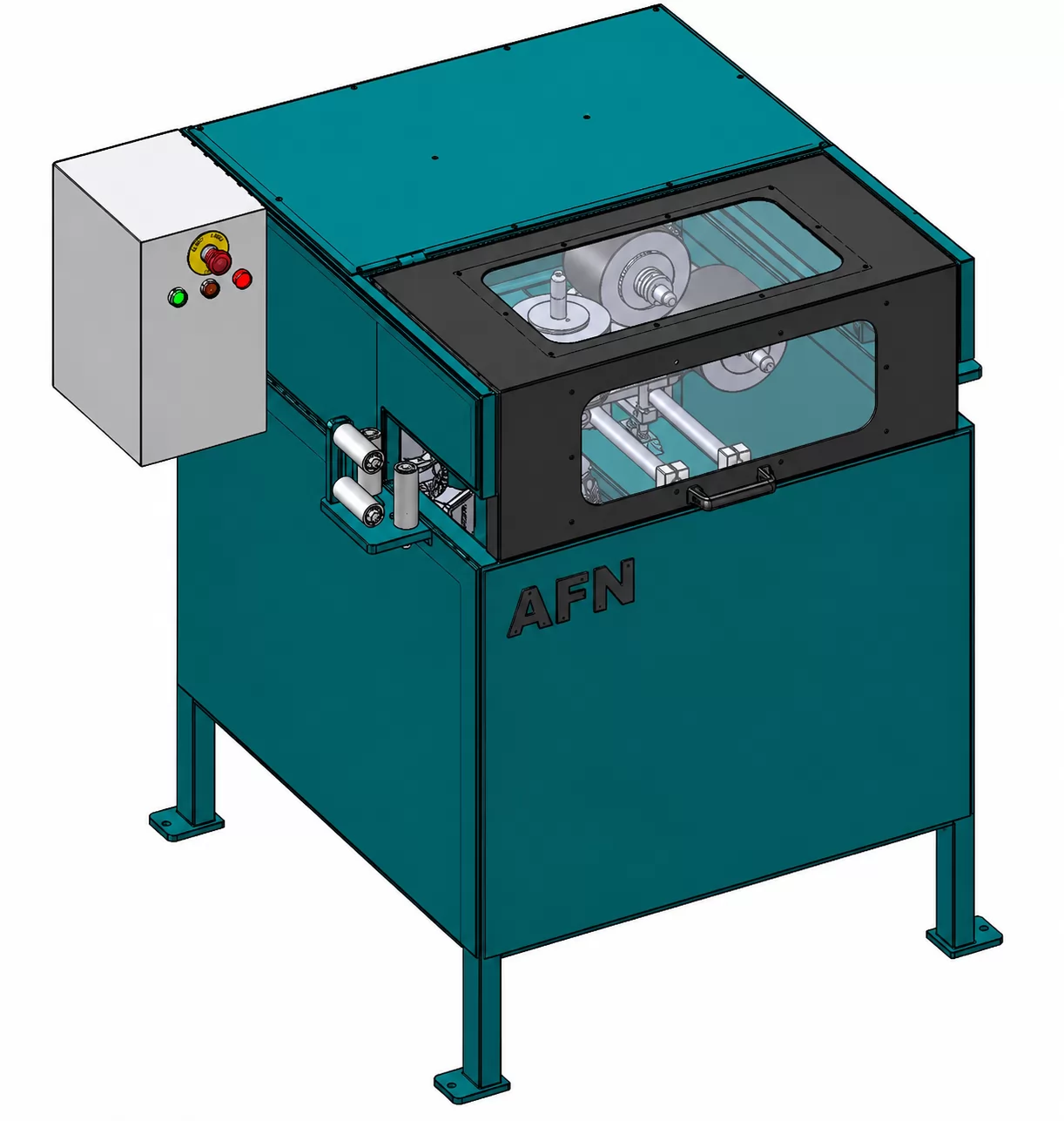
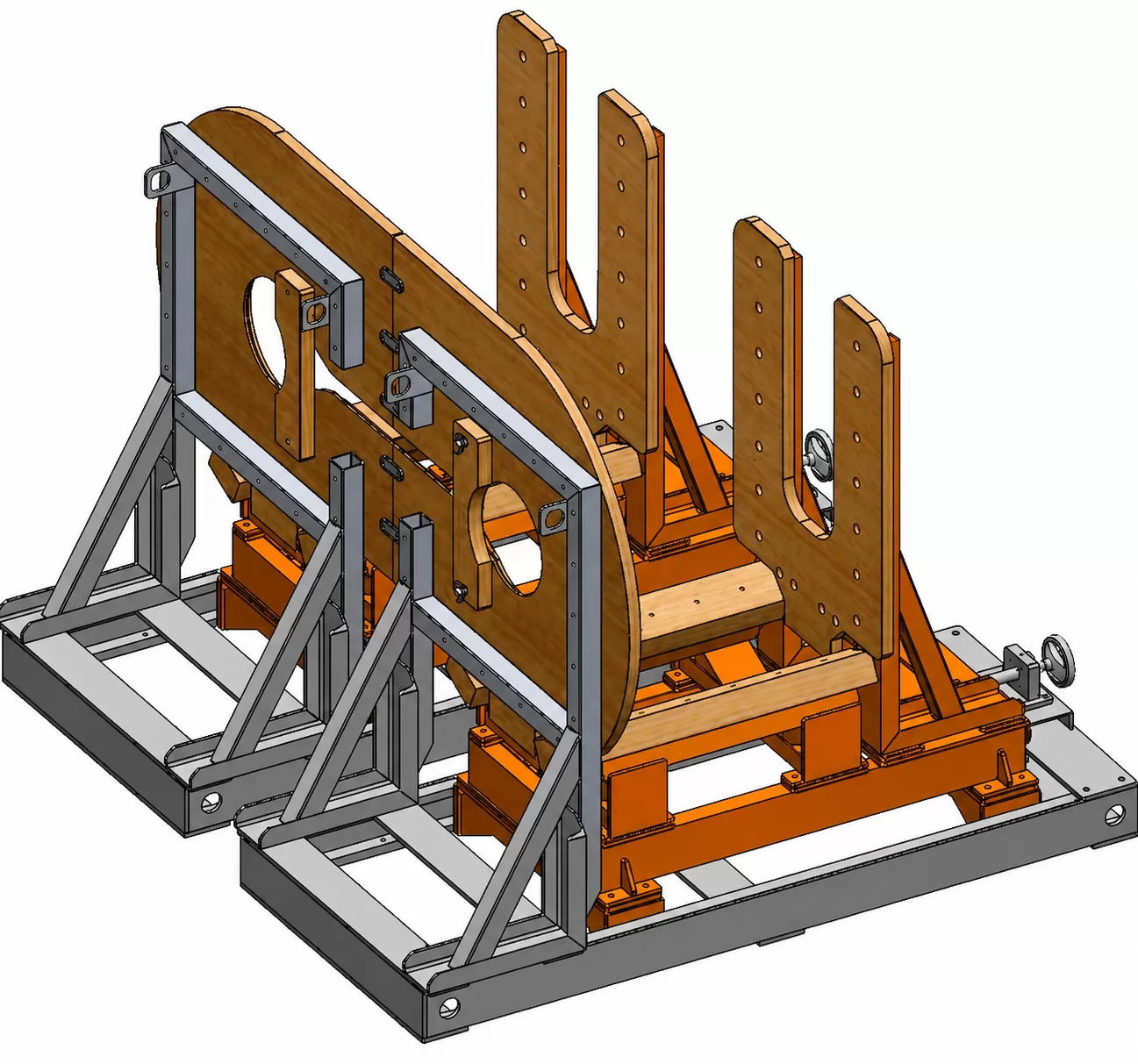
The machine frame, moving components, shafts, bearing housings, couplings, gear systems, safety guards and other mechanical parts are designed in detail.
Three-dimensional modelling allows engineers to examine:
- Compatibility between components,
- Assembly locations,
- Working clearances of moving parts,
- Maintenance and component replacement areas,
- Operator access,
- Machine dimensions,
- Factory floor placement,
- Connection points with other machines.
This process helps reduce manufacturing errors, assembly problems and unnecessary project costs.
Engineering Calculations
Engineering calculations are an essential part of developing safe and reliable machinery.
Depending on the project, calculations may include:
- Motor power,
- Torque requirements,
- Rotational speed,
- Load capacity,
- Shaft dimensions,
- Bearing selection,
- Mechanical strength,
- Gear ratios,
- Line tension,
- Acceleration and deceleration,
- Reel and drum loads.
These calculations help determine the correct mechanical components and operating parameters for the machine.
Technical Drawings and Manufacturing Documentation
Once the design has been approved, detailed technical drawings and manufacturing documents are prepared.
Technical documentation may include:
- Individual part drawings,
- General assembly drawings,
- Dimensional details,
- Material specifications,
- Manufacturing tolerances,
- Parts and equipment lists,
- Welding details,
- Connection details,
- Assembly instructions,
- Component positioning information.
Accurate technical documentation is essential for manufacturing the machine according to the approved design.
Custom Design Solutions for Cable Manufacturing Machines
Machines used in the wire and cable industry vary according to product diameter, cable construction, raw material, reel size, production method and required capacity.
AFN Makina develops engineering solutions according to each customer’s production process.
Custom engineering and machine design services can be provided for:
- Buncher stranding machines,
- Rigid stranding lines,
- Drum Twister lines,
- Pay-off machines,
- Take-up machines,
- Rewinding and unwinding systems,
- Caterpillar haul-off units,
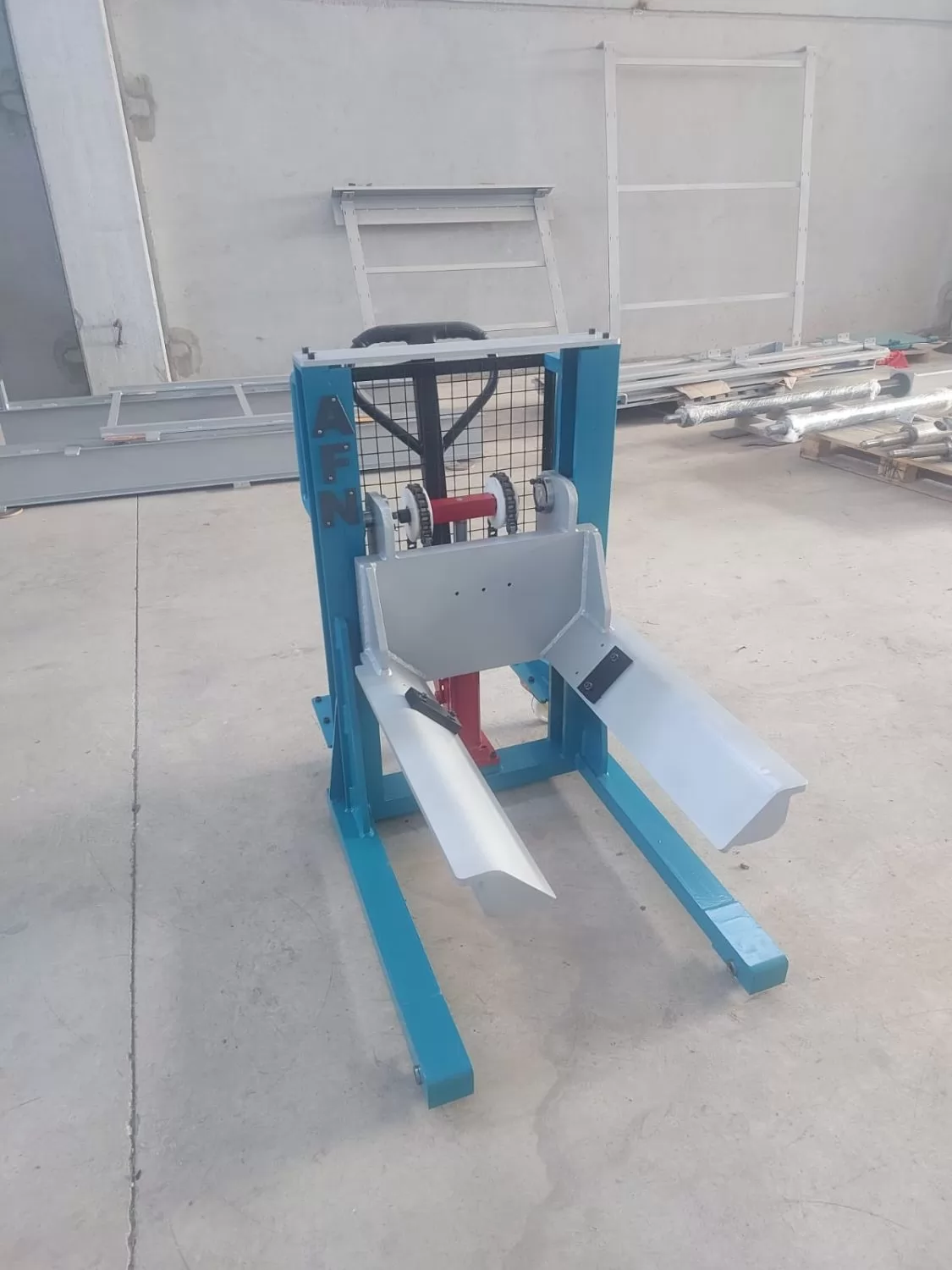
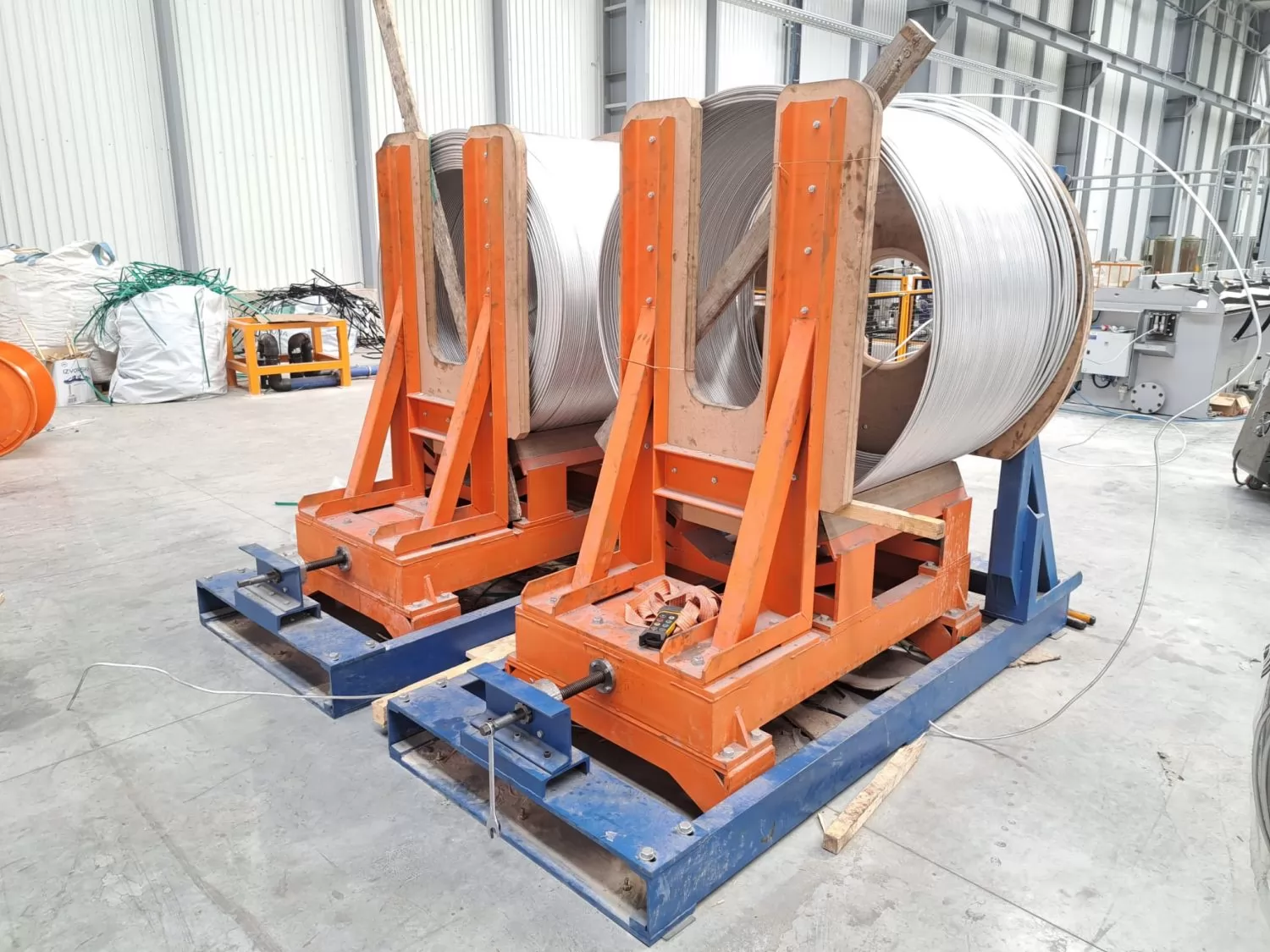
- Reel and drum handling equipment,
- Wire and cable guiding mechanisms,
- Transfer systems,
- Auxiliary cable manufacturing equipment,
- Custom machinery and production line components.
During the design process, AFN Makina evaluates not only the individual machine but also how each machine will operate as part of the complete production line.
Why Is Custom Machine Design Necessary?
Standard machinery can meet many general production requirements. However, custom machine design may be more suitable for manufacturers with specific capacity, product, factory layout or process requirements.
A customised machine may be required when:
- Standard machines cannot meet the required production capacity.
- The available production area is limited.
- Different product sizes must be processed on the same machine.
- New equipment must be integrated into an existing production line.
- Manual operations need to be reduced.
- Production quality needs to become more consistent.
- Operator safety needs to be improved.
- Older machines must be adapted to current production requirements.
- Special reel or drum dimensions are used.
- The customer requires a process that is not available in standard machinery.
The main advantage of custom machinery is that the investment is designed directly around the manufacturer’s actual production process.
How Does the R&D and Machine Design Process Work?
The machine design process consists of requirements analysis, concept development, engineering calculations, 3D modelling, technical approval, manufacturing, assembly and testing.
AFN Makina generally follows the steps below.
1. Identifying Production Requirements
The product to be manufactured, target capacity, production speed, product dimensions and technical expectations are evaluated.
2. Examining the Existing System
When new equipment will be integrated into an existing production line, the line’s mechanical structure, operating speed, layout and connection points are examined.
3. Developing the Conceptual Solution
The machine’s operating principle, main components, material flow and position within the production line are determined.
4. Performing Engineering Calculations
Technical values such as motor power, torque, line speed, mechanical strength, shaft dimensions and carrying capacity are calculated.
5. Creating the 3D Design
The machine frame, components, moving systems, guards and assembly sections are modelled in three dimensions.
6. Technical Review and Approval
The design is reviewed according to production requirements, available space, operating conditions and technical expectations.
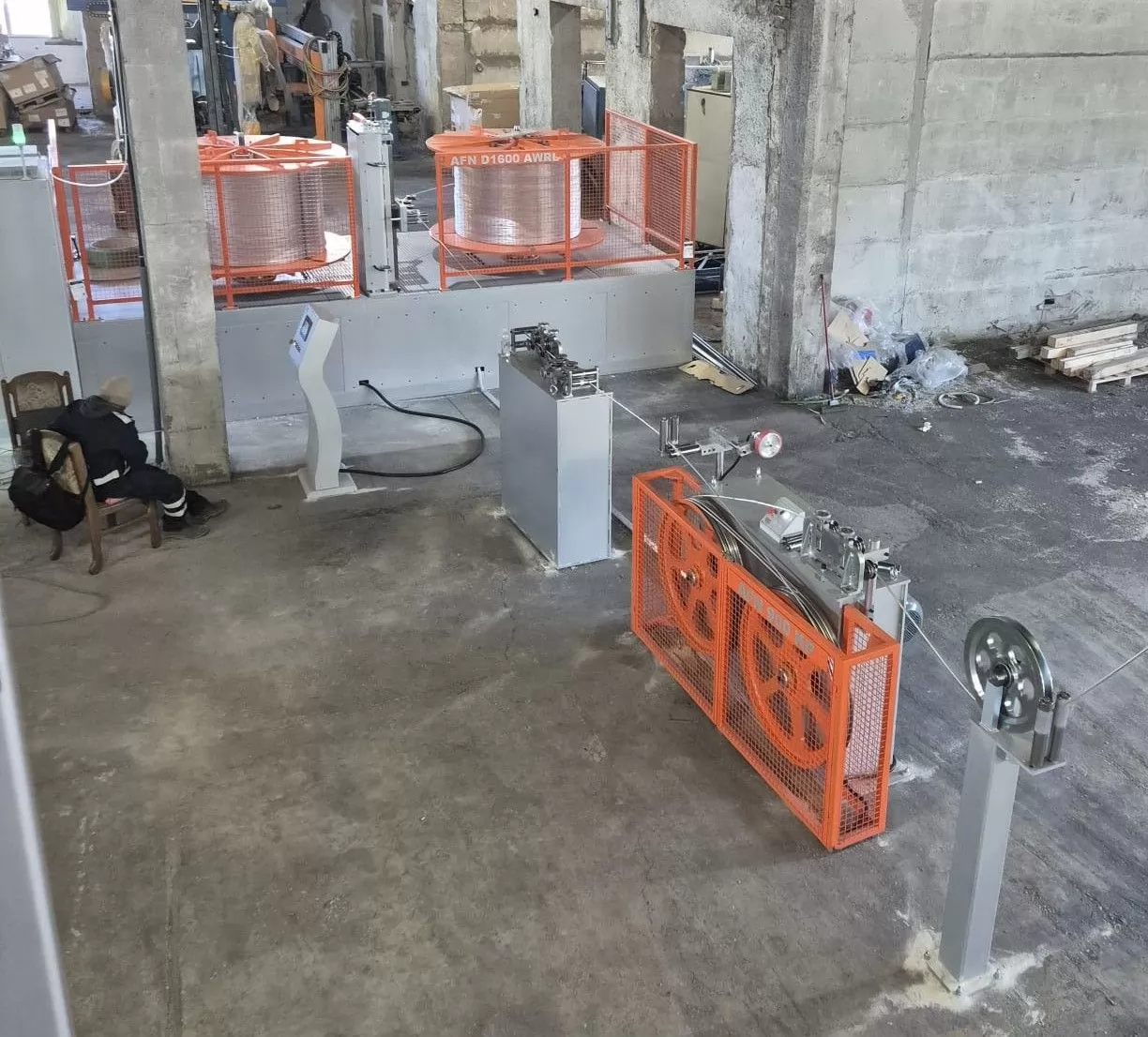
7. Manufacturing and Assembly
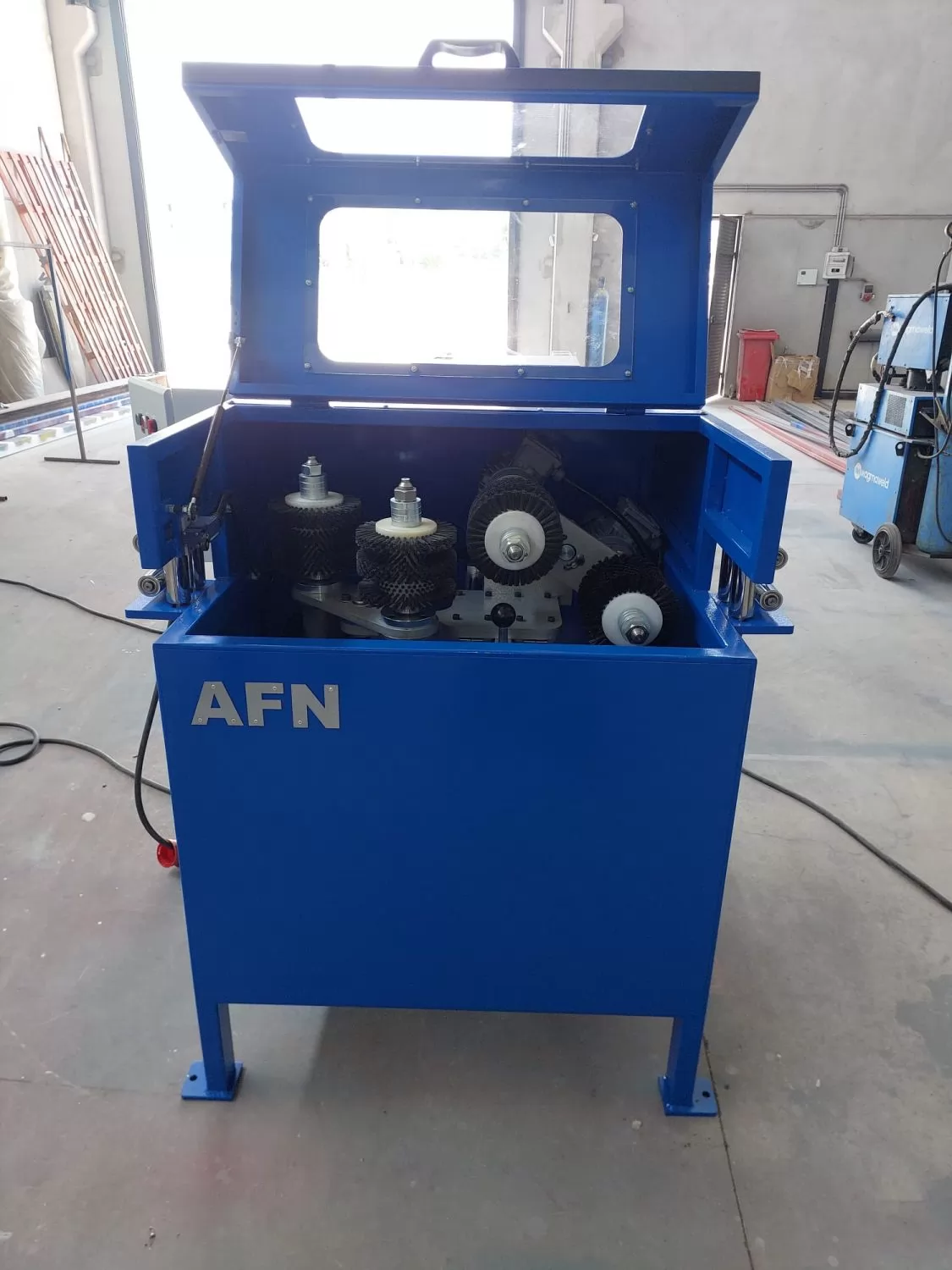
After approval, components are manufactured according to the technical drawings and the mechanical assembly process is completed.
8. Inspection and Testing
The completed machine is inspected for mechanical movement, connection accuracy, safety, operating stability and overall performance.
Development of Existing Production Lines
R&D and engineering design services are not used only for new machinery. Engineering studies can also be carried out to improve existing machines and adapt production lines to current manufacturing requirements.
The following improvements may be planned for an existing production line:
- Increasing production speed,
- Increasing production capacity,
- Strengthening mechanical systems,
- Reducing reel change time,
- Converting manual operations into mechanical or automated processes,
- Adding new pay-off or take-up systems,
- Improving machine guards and safety systems,
- Redesigning worn mechanisms,
- Adapting machinery to different product sizes,
- Improving access to maintenance areas,
- Integrating new equipment into the line,
- Improving line synchronisation.
Each project should be evaluated according to the machine’s current condition, remaining service life, investment cost and future production targets.
Key Factors in Cable Production Line Design
Successful production line design involves much more than positioning machines next to one another. Every machine and auxiliary system must operate in coordination.
The following factors are considered during cable production line engineering:
- Input and output speeds of the machines,
- Product flow direction,
- Wire and cable tension control,
- Reel and drum capacities,
- Production area dimensions,
- Operator working areas,
- Maintenance and component replacement clearances,
- Mechanical and electrical connection points,
- Machine safety zones,
- Material handling routes,
- Line synchronisation,
- Future production capacity increases,
- Possibility of adding new equipment,
- Accessibility for installation and servicing.
Correct production line planning contributes to a more organised workflow and helps reduce unnecessary movement within the manufacturing facility.
Advantages of Professional Engineering Design
Correctly planned R&D and engineering work can provide significant operational and commercial advantages.
A Solution Designed for the Production Requirement
The machine is developed according to the manufacturer’s product dimensions, capacity, process and operating conditions.
Efficient Use of Factory Space
Machine dimensions and production line placement can be designed according to the available factory layout.
Easier Maintenance
Maintenance areas, replacement components and access points are considered during the design stage.
Improved Production Continuity
Correct mechanical calculations and appropriate component selection contribute to stable and reliable operation.
Expandable Machine Structure
The machine or production line can be designed with future capacity increases and additional equipment in mind.
Better Investment Planning
Engineering analysis helps prevent investment in machinery that is unnecessarily complex, oversized or unable to meet the required capacity.
Greater Production Consistency
A machine designed for a specific process can help achieve more stable production parameters and more consistent product quality.
Improved Operator Safety
Machine guards, access points, moving components and operator working areas can be planned according to safety requirements.
What Is the Difference Between Engineering Design and Machine Revision?
| R&D and engineering design | Machine revision |
|---|---|
| Focuses on developing a new machine or system. | Focuses on restoring or improving an existing machine. |
| A completely new design can be created. | The existing frame and mechanical structure are evaluated. |
| New production methods can be developed. | Worn or outdated components are repaired or replaced. |
| Custom machinery and equipment can be designed. | Existing machine performance is improved. |
| New production lines can be planned. | An existing line is adapted to current requirements. |
| The project begins with production requirements. | The project begins with the condition of the existing machine. |
In some projects, both services may be required. For example, an existing cable machine may be revised while a new pay-off, take-up, guiding mechanism or auxiliary unit is designed and integrated.
Which Information Is Required for a Machine Design Project?
Providing accurate technical information helps accelerate project evaluation and enables the development of a more suitable solution.
The following information may be required:
- Type of wire or cable to be produced,
- Product diameter range,
- Cable construction,
- Raw material specifications,
- Target production capacity,
- Required line speed,
- Reel and drum dimensions,
- Existing machine specifications,
- Available factory space,
- Photographs and videos of the current production line,
- Technical drawings, when available,
- Required level of automation,
- Operator requirements,
- Expected project delivery conditions.
The exact information required may vary depending on the scope of the machine or production line.
Why Choose AFN Makina?
AFN Makina develops its engineering approach according to the practical requirements of wire and cable production processes.
The following factors are evaluated together during project development:
- Technical specifications of the product,
- Target production capacity,
- Required operating speed,
- Existing machinery infrastructure,
- Production area and layout conditions,
- Maintenance and servicing requirements,
- Spare part availability,
- Future expansion possibilities,
- Integration with other machines,
- Long-term operating requirements.
Providing engineering design, mechanical manufacturing, machine revision, modernisation and spare part production services within the same organisation enables the different stages of a project to be evaluated as an integrated process.
Let Us Develop the Right Engineering Solution for Your Project
Are you planning a new cable manufacturing machine, auxiliary equipment or complete production line?
Share your production requirements with AFN Makina. After evaluating the product specifications, target capacity, required speed, reel dimensions, production process and available factory space, our team can develop an engineering solution tailored to your project.
Contact AFN Makina for more information about our R&D and engineering design services and to discuss your machinery project.
Frequently Asked Questions
What is R&D and engineering design?
R&D and engineering design is the process of analysis, calculation, modelling, technical drawing and testing used to develop a new machine or improve an existing production system.
Does AFN Makina design custom machinery?
Yes. AFN Makina develops custom machines and auxiliary equipment according to the customer’s production capacity, product specifications, available space and process requirements.
What information is required to design a cable production line?
The required information generally includes the type of cable, diameter range, cable construction, target capacity, line speed, reel dimensions, production area and integration requirements with existing machinery.
Can an existing machine be redesigned?
Yes. An existing machine can be examined for capacity improvement, safety modifications, new equipment integration or redesign of worn and inefficient mechanisms.
How long does the machine design process take?
The project duration depends on the machine specifications, complexity, number of custom components and integration requirements. A project schedule can be prepared after the technical requirements have been defined.
Can AFN Makina manufacture the machine after completing the design?
Yes. Depending on the project scope, AFN Makina can carry out the mechanical manufacturing and assembly of machinery developed through its engineering design process.
Can a custom pay-off or take-up machine be designed?
Yes. Custom pay-off, take-up, winding and unwinding systems can be designed according to line speed, product characteristics, reel dimensions and production method.
Can old cable manufacturing machines be modernised?
Yes. Machines in suitable technical condition can be evaluated for mechanical revision, modernisation and new equipment integration. The current machine condition and project cost should first be analysed.
Is maintenance accessibility considered during machine design?
Yes. Component replacement areas, access to bearings and mechanical systems, machine guards and maintenance points are evaluated during the design stage.
Can new machinery be integrated into an existing cable production line?
Yes. The existing line speed, mechanical connections, product flow, tension requirements and available area are evaluated before designing the new equipment.
Which documents should be provided for a technical quotation?
Product specifications, target capacity, required speed, reel dimensions, factory layout, photographs, videos and technical drawings of existing equipment help accelerate the quotation and engineering evaluation process.
Can AFN Makina design complete cable production lines?
AFN Makina can develop individual machines, auxiliary equipment and integrated production line solutions according to the technical scope and production requirements of the project.