Machinery and Production Lines
Machinery and Production Lines
Machinery and Production Lines
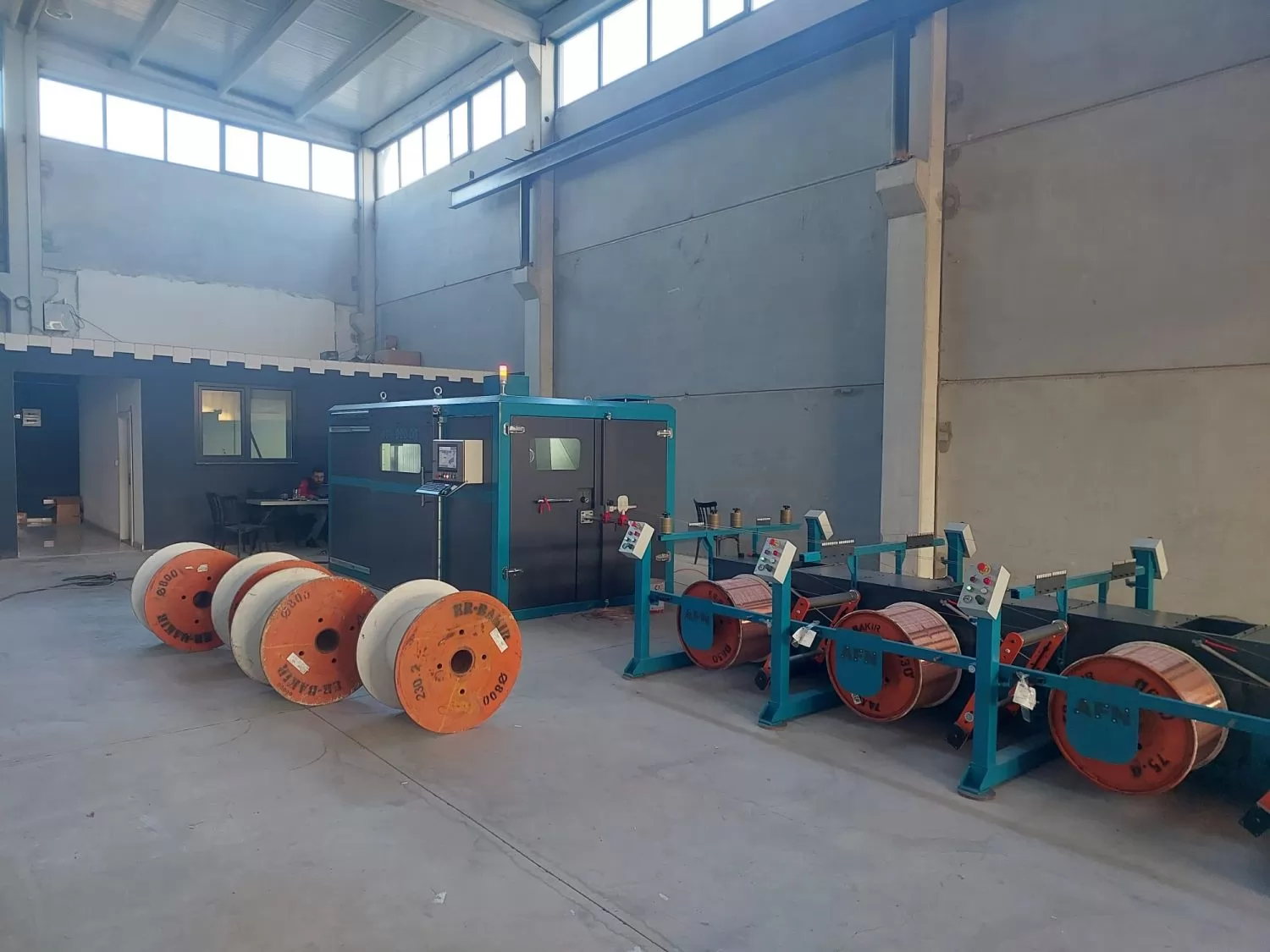
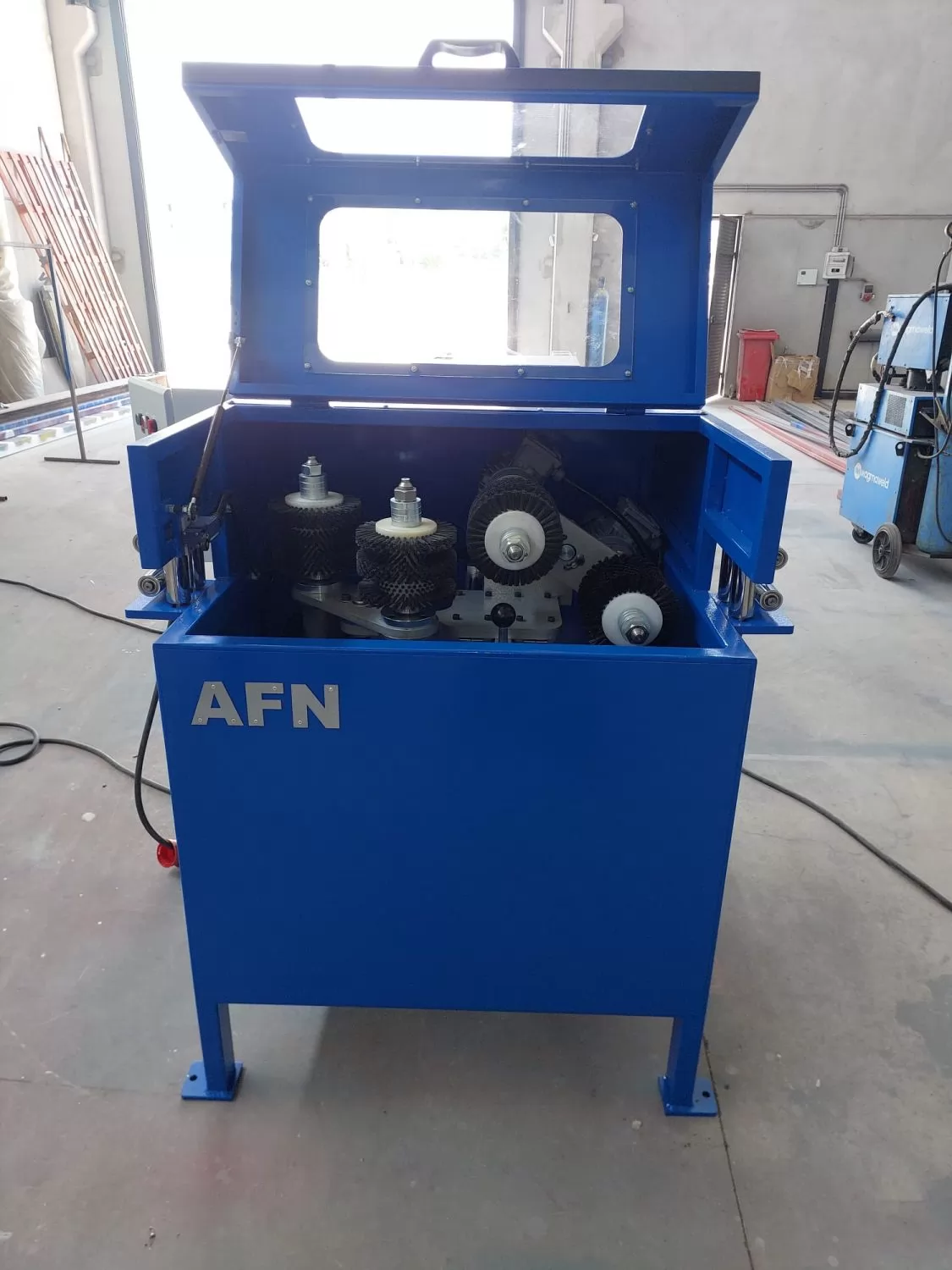
AFN Makina develops machinery and production line design, manufacturing, and engineering solutions for the wire and cable industry.
Standard or project-specific machine solutions can be developed according to the type of cable to be produced, wire diameter, reel dimensions, production capacity, process requirements, and factory layout.
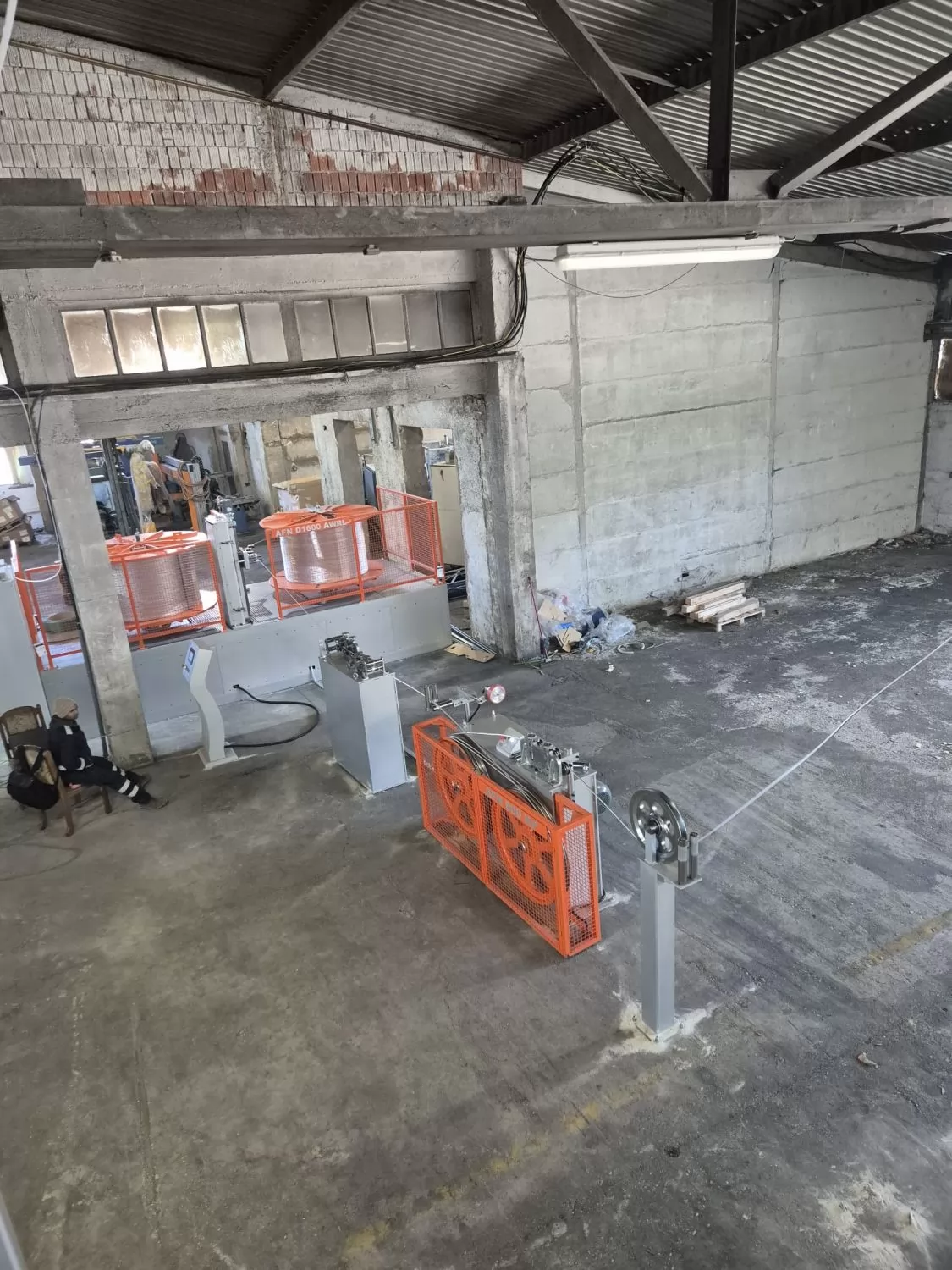
Solutions can range from a single machine to complete cable production lines consisting of multiple integrated units.
The main objective is to achieve high production performance, stable operation, long machine service life, precise process control, and maximum compatibility between all machines within the production line.
Cable Production Machinery Manufacturing
Cable manufacturing consists of many different processes. Machines used for conductor preparation, stranding, screening, armoring, taping, pulling, winding, and material transfer must work in harmony to ensure consistent production quality.
AFN Makina develops cable production machinery for different wire and cable manufacturing applications.
Depending on production requirements, machines can be configured according to:
-
Product type
-
Wire and cable diameter
-
Reel dimensions
-
Line speed
-
Production capacity
-
Tension requirements
-
Automation level
-
Factory layout
Complete Cable Production Lines
The efficiency of a production line does not depend only on the performance of individual machines.
All machines within the line must operate in synchronization in terms of speed, tension, drive systems, and automation.
AFN Makina can develop complete cable production lines by integrating different machines according to the customer's production process.
Depending on the project, a production line may include:
-
Pay-off systems
-
Stranding machines
-
Screening units
-
Armoring systems
-
Taping units
-
Capstans
-
Caterpillar haul-off units
-
Transfer systems
-
Take-up systems
-
Auxiliary equipment
-
Electrical and automation systems
Buncher Stranding Lines
Buncher machines are used to twist multiple wires or conductors together in a controlled way to form a stranded cable or conductor.
The machine configuration can be selected according to conductor characteristics, reel dimensions, and production capacity requirements.
High speed, balanced stranding, and stable production performance are important design criteria for Buncher lines.
Single Twist Lines
Single Twist machines are used for various twisting and winding applications in wire and cable production.
A Single Twist line can be designed together with different equipment such as:
-
Pay-off systems
-
Twisting units
-
Haul-off equipment
-
Take-up systems
-
Automation systems
The final machine configuration is determined according to the technical requirements of the product to be manufactured.
Rigid Stranding Lines
Rigid Stranding Lines are among the most important cable production systems used especially for producing large-section copper and aluminum conductors.
Depending on the project, the line can be configured with:
-
Pay-off units
-
Rigid cages
-
Compacting systems
-
Capstans
-
Taping equipment
-
Take-up systems
-
Automation systems
Precise tension control and synchronized drive systems play an important role in maintaining production quality.
Drum Twister Lines
Drum Twister machines are commonly used for the production of large-diameter and heavy cables.
A strong mechanical structure, controlled rotation, and synchronized operation with other line equipment are among the main requirements of Drum Twister systems.
Lines can be designed according to different cable diameters, reel dimensions, and production capacities.
Cable Screening Lines
Cable screening is an important manufacturing process, particularly for power and industrial cables, where electromagnetic protection and electrical performance are required.
Screening machines can be designed to apply different wire, tape, or shielding materials in a controlled manner depending on the structure of the cable.
Cable Armoring Lines
Armoring helps protect cables against external mechanical forces.
Cable armoring lines can be configured according to cable diameter, armor wire characteristics, reel dimensions, and production capacity.
Stable tension, uniform armor application, and continuous production are among the most important design criteria.
Cable Taping Lines
Different taping applications may be used during various stages of cable manufacturing for insulation, protection, or specific process requirements.
Taping machines can be designed according to tape material, cable diameter, wrapping angle, and production speed.
Transfer Lines
In modern cable factories, production efficiency depends not only on production machines but also on the flow of materials between different processes.
Transfer lines can be used to move reels, semi-finished products, and finished cables safely and efficiently between production stages.
Depending on project requirements, the system may include:
-
Chain conveyors
-
Roller conveyors
-
Motorized transfer trolleys
-
Rotary platforms
-
Custom handling systems
These systems can be integrated into the overall production line.
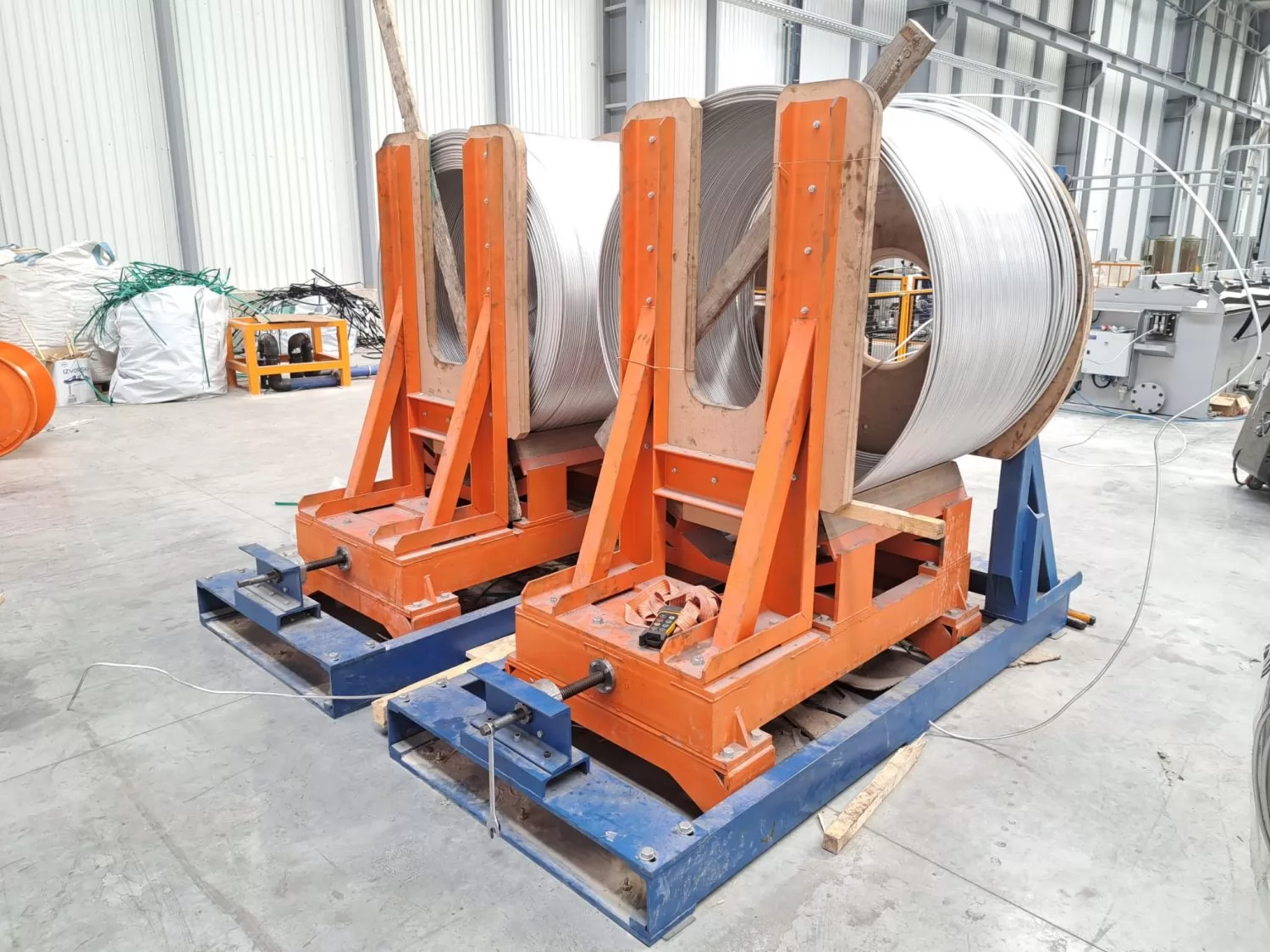
Pay-Off and Take-Up Systems
Pay-Off and Take-Up systems are essential components of wire and cable production lines.
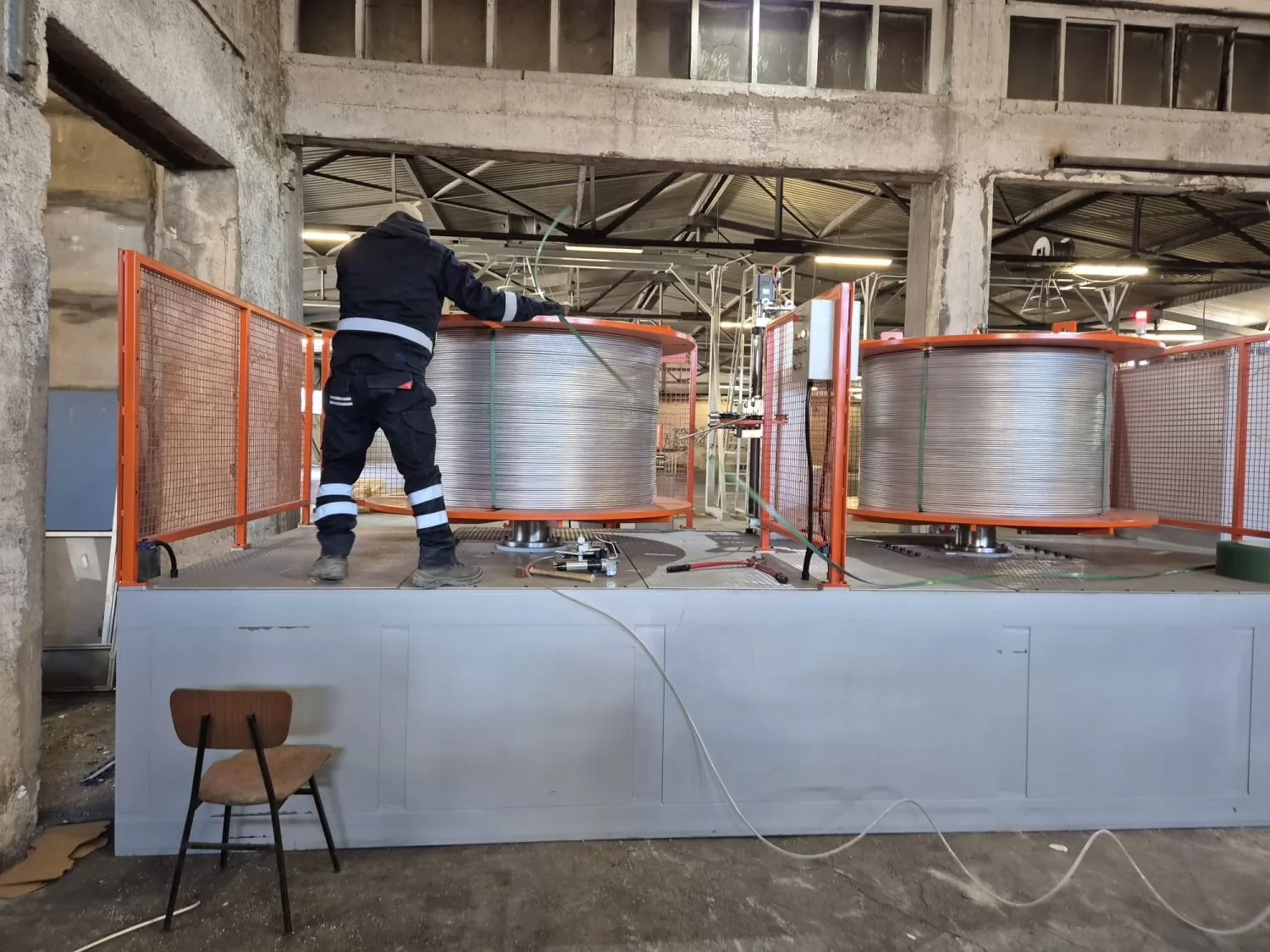
Pay-Off systems feed material into the production line in a controlled manner, while Take-Up systems ensure that the finished cable or conductor is wound evenly onto reels.
Different configurations can be used depending on production requirements:
-
Motorized pay-off units
-
Floor traversing pay-offs
-
Shaft-type pay-offs
-
Motorized take-up units
-
Floor traversing take-ups
-
Custom reel handling systems
Haul-Off Equipment
Different types of haul-off equipment are used to move cable through production lines in a controlled manner.
Depending on the manufacturing process, solutions may include:
-
Caterpillar haul-off units
-
Rotating Caterpillars
-
Capstans
-
Double-wheel capstans
-
Single-wheel capstans
-
Rotating capstans
Correct selection of haul-off equipment is important for controlling cable tension and maintaining stable production speed.
Auxiliary Cable Production Equipment
In addition to main production machines, different auxiliary equipment may be required to complete a cable manufacturing line.
These systems help improve production safety, organization, and overall efficiency.
AFN Makina can develop custom auxiliary machinery and mechanical systems according to specific production line requirements.
Custom Machinery Manufacturing
Every cable manufacturer has different products, processes, and factory conditions.
When standard machines are not sufficient, custom machinery can be designed and manufactured according to the customer's production process.
During custom machine development, the following factors are evaluated:
-
Product to be manufactured
-
Target production capacity
-
Existing production line
-
Factory layout
-
Reel and product dimensions
-
Operator requirements
-
Automation level
-
Safety requirements
This makes it possible to develop a machine specifically adapted to the customer's production process and factory conditions.
Custom Production Line Design
When establishing a new manufacturing facility or increasing production capacity, selecting individual machines is not always sufficient.
The entire production process must be planned as one integrated system.
A custom production line project may include the following stages:
-
Analysis of the product to be manufactured
-
Determination of target production capacity
-
Definition of required production processes
-
Selection of machinery and equipment
-
Production line layout planning
-
Mechanical and electrical engineering
-
Automation system development
-
Machinery and equipment manufacturing
-
Mechanical assembly
-
Testing and commissioning
This approach allows different machines to operate together as one integrated production system.
Mechanical Design and Engineering
Proper engineering is the foundation of industrial machine manufacturing.
During machine design, many technical factors must be considered together, including:
-
Mechanical loads
-
Rotational speeds
-
Torque requirements
-
Material selection
-
Bearing and housing systems
-
Machine frame strength
-
Vibration
-
Occupational safety
-
Ease of maintenance
AFN Makina develops engineering-driven machine solutions according to the requirements of cable production processes.
Mechanical Manufacturing
After machine design, mechanical manufacturing becomes one of the most important stages of the project.
Depending on project requirements, AFN Makina can manufacture:
-
Machine frames
-
Steel structures
-
Welded components
-
Shafts
-
Bearing components
-
Connection parts
-
Custom machine components
-
Machined metal parts
All components can be manufactured according to technical project requirements.
Precision Machining
Mechanical parts that directly affect machine performance must be manufactured within precise tolerances.
Shafts, bearing parts, bushings, hubs, flanges, and similar mechanical components can be produced using precision machining methods according to technical drawings.
Accurate tolerances and proper surface quality contribute to more stable operation and longer machine service life.
Welded Fabrication and Machine Frames
A strong machine body is the foundation of the mechanical strength of industrial machinery.
Machine frames should be designed by considering:
-
Static and dynamic loads
-
Machine weight
-
Forces created by rotating components
-
Vibration
-
Assembly requirements
After welded fabrication, the required machining and quality control processes can be completed to prepare the frame for final assembly.
Mechanical Assembly
Correct assembly of all manufactured mechanical components is essential for the final performance of the machine.
During mechanical assembly, the following components can be installed according to technical drawings:
-
Machine frames
-
Shafts and bearing systems
-
Bearings
-
Gearboxes
-
Motors
-
Couplings
-
Belt and chain systems
-
Drums
-
Rollers
-
Protective equipment
Automation and Line Synchronization
In modern production lines, mechanical compatibility alone is not enough.
Production speeds, motors, pay-off and take-up systems, haul-off equipment, and other units must operate in synchronization.
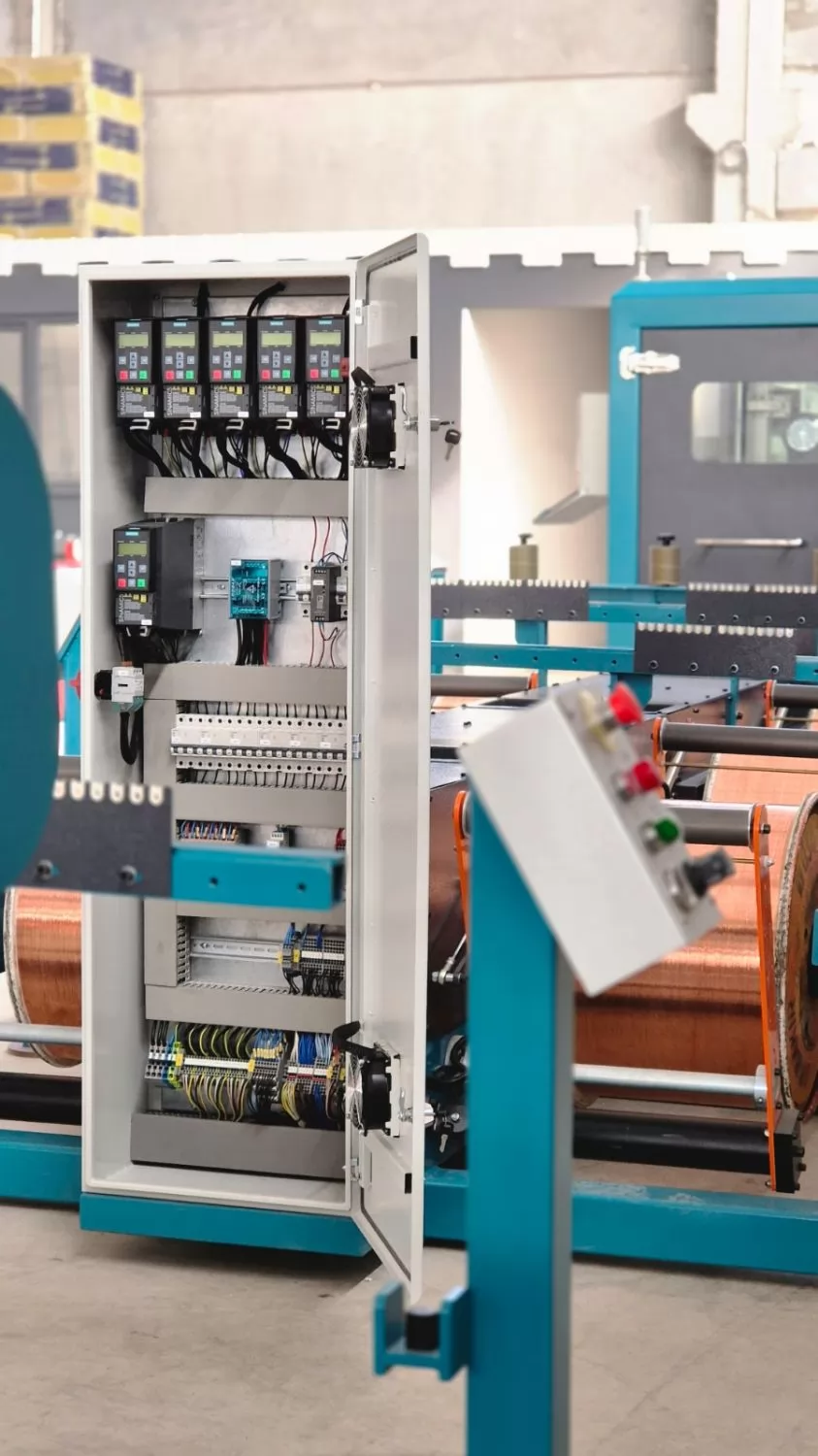
PLC and HMI-based automation systems allow production parameters to be controlled centrally.
This allows the operator to monitor and control:
-
Line speed
-
Motor speeds
-
Tension
-
Production parameters
-
Fault conditions
-
Machine operating status
What Should Be Considered When Selecting Machinery and Production Lines?
When investing in a new cable machine or production line, the decision should not be based only on machine price.
The following criteria should be evaluated together:
-
Type of cable to be produced
-
Minimum and maximum product diameters
-
Reel dimensions
-
Production capacity
-
Line speed
-
Machine durability
-
Automation level
-
Energy consumption
-
Ease of maintenance
-
Spare parts availability
-
Technical service support
-
Future capacity expansion possibilities
The right machinery investment can help reduce production costs and improve long-term manufacturing efficiency.
AFN Makina Machinery and Production Line Solutions
AFN Makina develops engineering and machinery solutions for different requirements of wire and cable manufacturers.
From a single auxiliary machine to a complete production line, project requirements can be analyzed and the most suitable system can be developed.
By evaluating engineering, mechanical design, mechanical manufacturing, assembly, and automation as an integrated process, AFN Makina can develop production solutions adapted to the customer's facility.
Contact AFN Makina if you are planning to establish a new cable production line, increase your existing production capacity, or develop a custom machine for your manufacturing process.
Frequently Asked Questions
Which cable production machines does AFN Makina manufacture?
Depending on production requirements, solutions can be developed for Buncher machines, Single Twist machines, Rigid Stranding Lines, Drum Twisters, screening lines, armoring lines, taping systems, transfer systems, haul-off equipment, pay-off systems, take-up systems, and auxiliary machinery.
Can AFN Makina supply complete cable production lines?
Yes. Once the product type, production capacity, and process requirements are determined, a complete cable production line consisting of multiple integrated machines can be designed.
Can custom cable production machines be manufactured?
Yes. When standard machinery is not suitable, custom machines can be designed according to the production process, product characteristics, and factory layout.
Can a production line be designed according to the customer's factory layout?
Yes. Factory layout, existing machinery, production flow, and available floor space can be evaluated to create a project-specific production line layout.
Can new machines be integrated into an existing production line?
Yes, if the new machinery is technically compatible with the existing line. Existing line speed, automation, drive systems, and process requirements should first be evaluated.
Can automation be integrated into the production line?
Yes. PLCs, HMI panels, sensors, motor drives, and other control systems can be used to increase the automation level of the production line.
Can Pay-Off and Take-Up systems be included in the production line?
Yes. Suitable pay-off and take-up systems can be integrated according to the production process and reel specifications.
Can Caterpillar and Capstan systems be used in cable production lines?
Yes. Depending on cable type, diameter, production speed, and required pulling force, Caterpillar or Capstan systems can be integrated into the line.
Can machine spare parts also be manufactured?
Yes. Depending on project requirements, custom mechanical components, shafts, bushings, bearing components, and other machine parts can be manufactured.
What information is required for a new cable production line project?
The main information required includes cable types to be produced, minimum and maximum diameters, material characteristics, reel dimensions, target production capacity, required line speed, and factory layout.
We design and manufacture turnkey cable production lines tailored to your production requirements. From planning and assembly to commissioning, we manage every stage with precision to deliver complete, high-efficiency production solutions.